

Upper Back Pain Causes: What to Do for Sudden or Nighttime Upper Back Pain? [2026 Hong Kong Upper Back Pain Guide]
⚕️ Medical Disclaimer: This article is written by the DR-HO'S Health Editorial Team and reviewed by Dr. Michael Ho (D.C., Canadian Chiropractor, Founder of DR-HO'S). The content is for general health education and information purposes only and does not constitute medical diagnosis, treatment, or prescription advice. If you experience persistent pain, discomfort, or health concerns, please consult a registered doctor, physiotherapist, or qualified healthcare professional. For emergencies, please call 999 immediately or go to the nearest emergency room.
🔗 Explore DR-HO'S Health Knowledge Hub
Upper back pain is extremely common among Hong Kong office workers and middle-aged individuals — sudden upper back pain, discomfort every night while sleeping, or even upper back pain when taking a deep breath? What could be the cause? This article explores 8 major causes, analyzing sudden upper back pain and what to do about nighttime upper back pain, and provides immediate relief methods to help Hong Kong readers understand the causes and solutions for upper back pain.
| 🔍 Problem Definition | Upper back pain refers to pain in the back around the thoracic spine (T1–T12), below the neck and above the lower back, commonly found between the shoulder blades and in the middle of the spine. |
|---|---|
| 🧩 Main Causes | Muscle strain, poor posture, facet joint problems, osteoporosis, referred pain from internal organs, overuse. |
| 👥 High-Risk Groups | Long-term computer users, those who cradle phones with their necks, drivers, manual laborers, middle-aged women (osteoporosis), athletes. |
| ⏰ Onset Time | Nighttime sleep (unsuitable mattress/poor sleeping posture), deep breathing, after prolonged sitting, after lifting heavy objects. |
| 📍 Pain Location | Mid-spine (thoracic), inner edge of shoulder blades, above ribs on both sides, center line of the back. |
| 💡 Treatment Methods | Targeted stretching, hot/cold compresses, TENS therapy, posture correction, improving sleeping posture, seeking medical attention when necessary. |
📋 Table of Contents
- What is Upper Back Pain? Location and Symptoms
- 8 Major Causes of Sudden Upper Back Pain
- Who is Most Prone to Upper Back Pain?
- Why Does Upper Back Pain Worsen at Night?
- Illustrated Guide to Upper Back Pain Location: Spine or Shoulder Blade?
- 7 Immediate Relief Methods for Upper Back Pain
- How Can DR-HO'S Back Relief Belt Help You?
- When to See a Doctor?
- Frequently Asked Questions FAQ
What is Upper Back Pain? Location and Symptoms
Upper back pain refers to back pain located within the thoracic spine (T1 to T12) range, which is the middle spinal area below the cervical spine and above the lumbar spine. In Hong Kong, it's commonly known as the "upper back" or "vest area," roughly the back area below the shoulders and above the waist.
 Upper back pain troubles many Hong Kong people; understanding the causes early helps target relief.
Common symptoms of upper back pain include:
- 🔴 Persistent dull ache or sharp pain between the shoulder blades
- 🔴 Tightness in the upper back muscles, difficulty turning or tilting the head back
- 🔴 Referred pain in the upper back when taking a deep breath or coughing
- 🔴 Sudden onset of upper back pain (acute episode)
- 🔴 Upper back pain worsening at night during sleep
- 🔴 Sharp upper back pain when getting up after prolonged sitting
Compared to lower back pain, upper back pain is less commonly caused by disc herniation. It is more often associated with musculoskeletal problems and thoracic facet joint dysfunction, but it can also be referred pain from internal organs, which requires special attention.
8 Major Causes of Sudden Upper Back Pain
The causes of upper back pain are diverse, and sudden onset often catches people off guard. Understanding the underlying causes helps in devising targeted relief strategies.
 Prolonged smartphone or computer use with a lowered head is one of the main causes of upper back pain for urbanites in Hong Kong.
① Muscle Strain / Overuse
Maintaining the same posture for prolonged periods (e.g., working on a computer, binge-watching shows) causes continuous muscle contraction in the back, leading to lactic acid buildup, muscle fascia tightness, and sudden upper back pain.
② Poor Posture (Rounded Shoulders, Hunchback)
Slouching and hunching put long-term pressure on the thoracic spine, overstretching the muscles between the shoulder blades (rhomboids, middle trapezius), leading to persistent aches.
③ Thoracic Facet Joint Dysfunction
Inflammation or misalignment of the facet joints, especially after a sprain from external force or a sudden movement, can cause sudden upper back pain.
④ Osteoporosis (Compression Fracture)
Middle-aged women (post-menopause) have an increased risk of osteoporosis. Thoracic vertebral bodies can suffer compression fractures from minor movements or falls, leading to sudden upper back pain.
⑤ Scoliosis
Scoliosis causes uneven force distribution on the spine, leading to long-term asymmetrical pain in the upper and lower back, especially after prolonged sitting or standing.
⑥ Disc Problems
Although thoracic disc herniation is less common, if it occurs, it can cause severe upper back pain and even nerve compression symptoms (e.g., arm numbness).
⑦ Respiratory / Referred Organ Pain
Lung problems (e.g., pneumonia), heart disease, and pancreatitis can all cause referred pain in the upper back. Upper back pain during deep breathing should rule out these possibilities.
⑧ Sports Injuries
Sudden overstretching of muscles during sports like ball games, swimming, or weightlifting, or incorrect posture while lifting heavy objects, can cause acute upper back muscle strains.
Who is Most Prone to Upper Back Pain?
While upper back pain can affect anyone, the following groups are particularly susceptible:
- Office workers who use computers for prolonged periods: More than 4 hours a day of looking down at a computer screen, with a forward head posture, puts pressure on the cervicothoracic junction, triggering upper back aches.
- Drivers and long-haul drivers: Prolonged sitting in the driver's seat with inadequate back support places excessive pressure on the thoracic spine.
- Heavy smartphone users (head-down generation): When looking down at a phone, the head's weight can be 3-5 times its normal weight, directly stressing the cervicothoracic spine.
- Middle-aged and post-menopausal women: Decreased estrogen levels lead to reduced bone density, increasing the risk of upper back vertebral fractures.
- Manual laborers: Porters, nurses, chefs, etc., who frequently bend over or lift heavy objects, experience long-term pressure on their upper back muscles.
- Athletes (rowing, swimming, golf): Unilateral sports activities lead to asymmetrical development of back muscles, causing upper back pain.
Why Does Upper Back Pain Worsen at Night?
"No issues during the day, but as soon as I lie down, upper back pain begins" – this is a common complaint among many Hong Kong people. Upper back pain worsening at night during sleep has several main reasons:
 Nighttime upper back pain makes it difficult for many to sleep; identifying the cause related to sleeping posture and mattress is crucial.
① Unsuitable Mattress or Pillow
A mattress that is too soft can cause the spine to lose support, leading to uneven pressure on the thoracic spine; a pillow that is too high can twist the cervicothoracic curve, resulting in a stiff and sore upper back upon waking. It is recommended to use a medium-firm mattress, and the pillow height should allow the cervical spine to maintain its natural curve when lying flat.
② Poor Sleeping Posture
Sleeping on your stomach (prone position) is the worst for the upper back, as it causes prolonged twisting of the cervical spine and overextension of the thoracic spine. It is recommended to switch to side sleeping (with a pillow between the knees) or back sleeping (with a thin pillow under the knees).
③ Accumulated Daytime Fatigue, Felt Only at Night
During the day, due to work engagement and adrenaline secretion, pain sensations may be masked; it is only after relaxing at night that pain caused by muscle inflammation emerges. This situation is common in patients with muscle strain and lower back pain.
④ Inflammatory Back Pain (Needs to be Ruled Out)
If upper back pain primarily worsens between 2-4 AM and improves after activity, inflammatory conditions such as ankylosing spondylitis need to be ruled out. It is advisable to consult a rheumatologist.
• Place a thin pillow under your knees when lying on your back to reduce lumbar pressure.
• Place a pillow between your knees when side sleeping to keep your spine neutral.
• Perform shoulder blade stretches and thoracic spine extensions 15 minutes before bed.
• Consider switching to a medium-firm memory foam mattress.
Illustrated Guide to Upper Back Pain Location: Spine or Shoulder Blade?
The location of upper back pain can provide important clues to help determine its cause:
| Pain Location | Most Probable Causes |
|---|---|
| 🔴 Between the shoulder blades on both sides | Rhomboid muscle strain, poor posture (rounded shoulders), prolonged head-down posture |
| 🔴 Center line of the spine (thoracic) | Thoracic facet joint dysfunction, osteoporotic compression fracture |
| 🔴 One side of the upper back (left or right) | Asymmetrical muscle strain, referred pain from internal organs (left: heart/spleen; right: liver/gallbladder) |
| 🔴 Upper back with ribs (worsens with deep breath) | Costovertebral joint inflammation, lung problems (needs to be ruled out) |
| 🔴 Cervicothoracic junction (C7-T1) | Tightness in the upper trapezius, extension of cervical spine issues from head-down posture |
7 Immediate Relief Methods for Upper Back Pain
Depending on the cause, the following 7 methods can help relieve upper back pain and can be used in combination for enhanced effects:
 Targeted stretching exercises are one of the most effective self-care methods for upper back pain.
① Thoracic Extension
While sitting in a chair, clasp your hands behind your head and gently lean backward, allowing your back to rest on the upper edge of the chair back, feeling a slight stretch in your thoracic spine. Hold for 15 seconds, repeat 5-8 times. For more details, see the Complete Guide to Stretching Exercises.
② Scapular Retraction Exercise
Sit up straight, pull both shoulders back, trying to bring your shoulder blades together. Hold for 5 seconds, then relax. Repeat 10-15 times. This is effective against pain between the shoulder blades caused by rounded shoulders.
③ Hot Compress Relief (Use after Acute Phase)
For upper back pain caused by muscle strain, use a cold compress during the acute phase (within 48 hours). After 48 hours, switch to a hot compress (40-42 degrees Celsius) to promote blood circulation and speed up muscle recovery. For more details, see the Correct Usage Guide for Hot and Cold Compresses.
④ TENS Pain Relief Therapy
TENS (Transcutaneous Electrical Nerve Stimulation) stimulates nerve endings with low-frequency electrical currents to block pain signals and promote the secretion of endorphins, achieving immediate pain relief. For more details, see the Complete Guide to Pain Relief Methods.
⑤ Posture Correction (Fundamental Solution)
Set a reminder to stand up and move for 5 minutes every 30 minutes; adjust your computer screen to eye level; use an ergonomic chair that provides lumbar support and allows your shoulders to relax.
⑥ Improve Sleeping Posture
Choose to sleep on your side (with a pillow between your knees) or on your back (with a thin pillow under your knees), avoiding sleeping on your stomach. Switch to a medium-firm mattress and choose a pillow that suits your cervical curve.
⑦ Acupuncture or Physical Therapy
For chronic upper back pain, consider acupuncture (see Complete Guide to Acupuncture Therapy for more details) or physical therapy. Professional practitioners can perform manual therapy or ultrasound therapy to address deep muscle and facet joint issues.
How Can DR-HO'S Back Relief Belt Help Upper Back Pain Sufferers?
For upper back pain caused by muscle strain and nerve tension, DR-HO'S Back Relief Belt combines three technologies to provide a non-invasive pain relief solution:
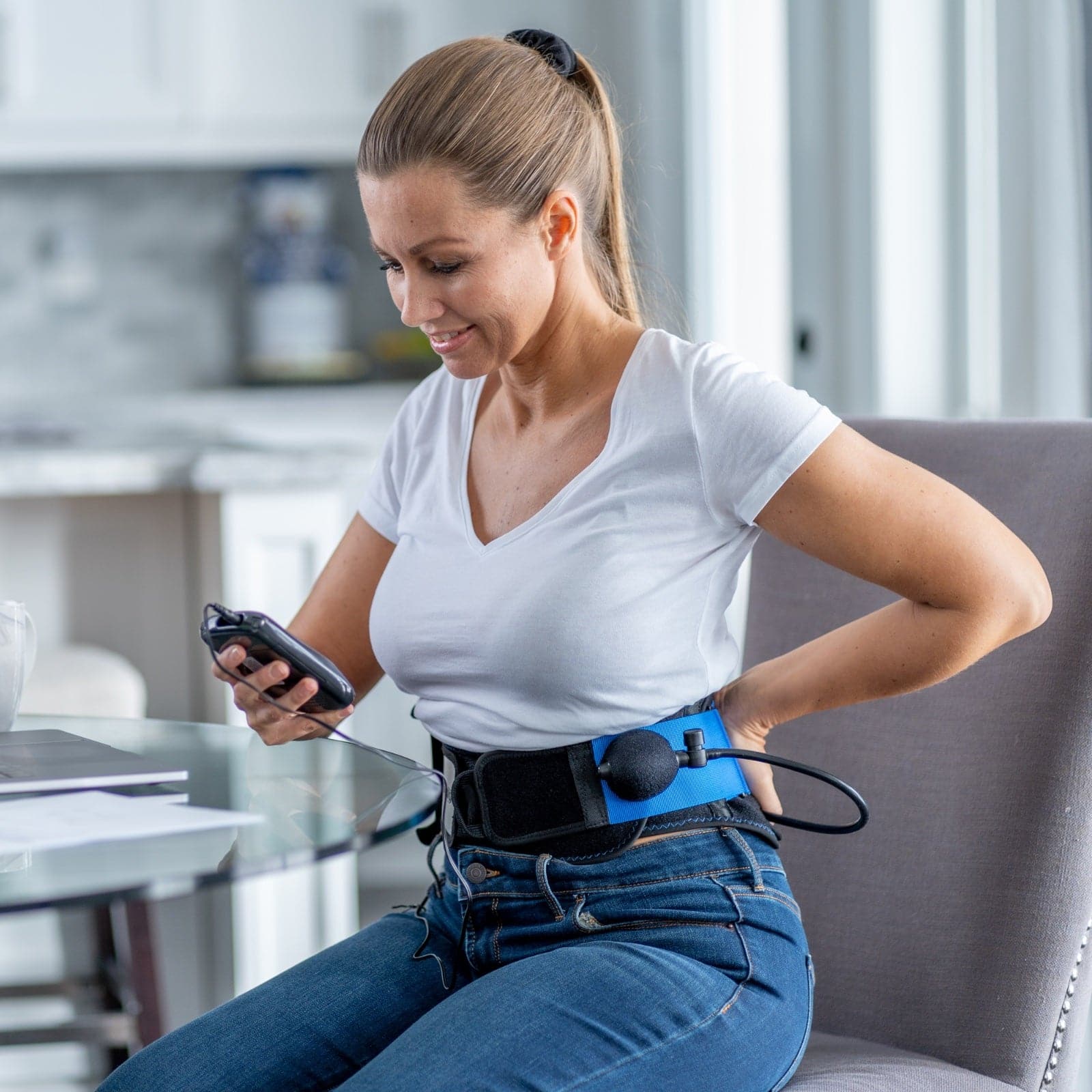 DR-HO'S Back Relief Belt with Triple Action: TENS Therapy + Decompression + Vibration Massage
Triple Action Analysis
- ⚡ TENS Pain Relief: Electrode pads can be placed on upper back pain points to block pain signals through electrical nerve stimulation, with intensity controlled by the pain therapy device, providing immediate relief for muscle pain.
- 💨 Inflatable Spinal Decompression: The inflatable back belt provides upward support, reducing spinal pressure and improving posture, suitable for those who sit for long periods.
- 🔵 Deep Vibration Massage: The vibration mode penetrates deep into the back muscles, relieving muscle tension, especially suitable for upper back aches caused by muscle strain.
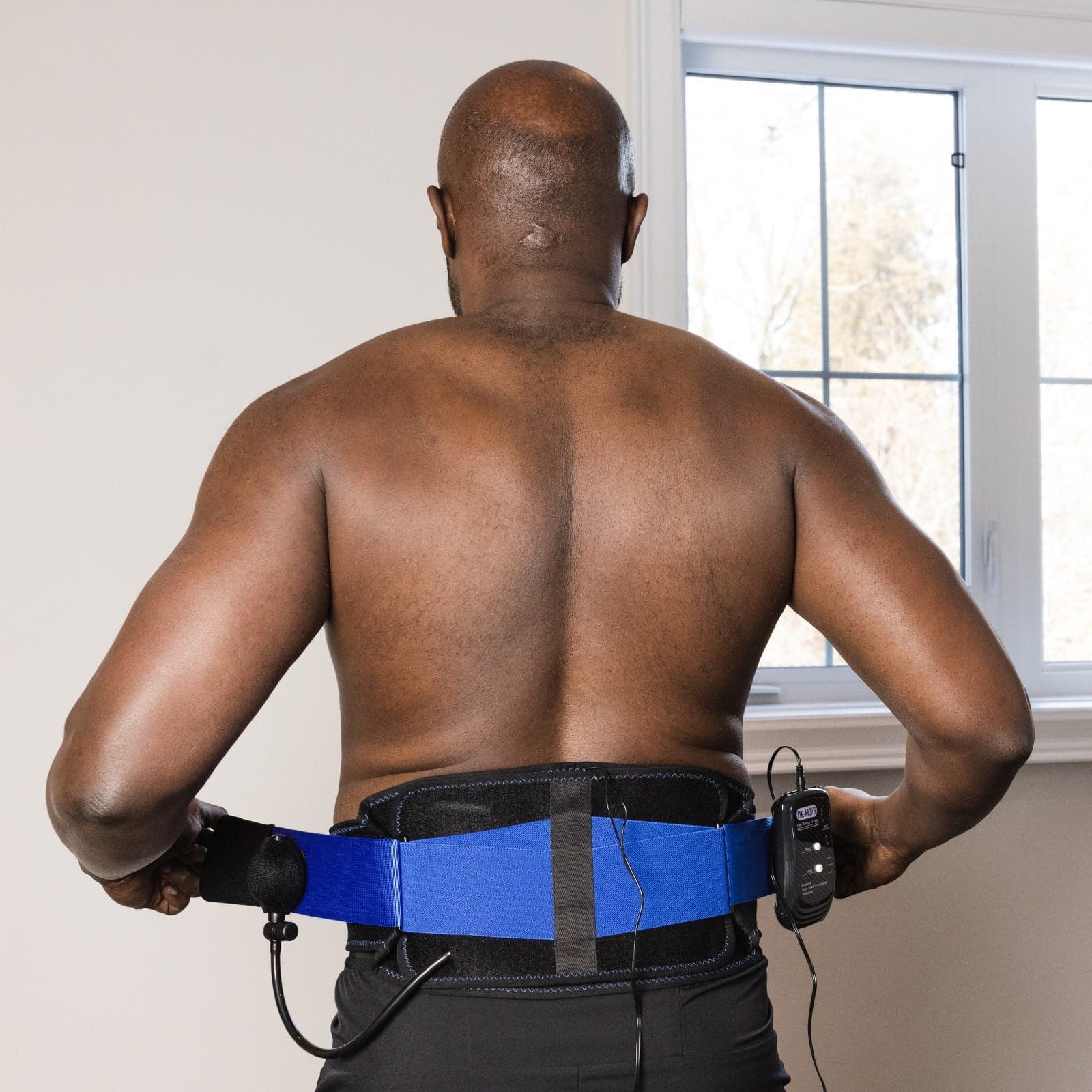 Electrode pads can be flexibly placed on various upper back pain points, targeting muscles around the shoulder blades and thoracic spine.
🏷️ DR-HO'S Back Relief Belt (Triple Action Back Belt)
- ✅ TENS Therapy + Inflatable Decompression + Vibration Massage All-in-One
- ✅ Electrode pads can be placed on multiple areas: upper back, lower back, shoulders, and neck.
- ✅ Drug-free, non-invasive, safe and convenient for home use.
- ✅ Suitable for office workers, drivers, and manual laborers.
Mother's Day Special 13% Off: HK$1,984 Original Price HK$2,280
Enter discount code nomorepain to enjoy the discount now
| 🎁 13% Off Storewide | Mother's Day Special, Effective Immediately |
| 🏷️ Discount Code | nomorepain (Enter at Checkout) |
| 🚚 Free Local Delivery | Free Home Delivery for orders over HK$1,500 |
| 📱 Free On-Site Tutorial | WhatsApp for appointment, children can also accompany |
More DR-HO'S Related Products
For different types of upper back pain, the following products can also be used in conjunction:
- Dr. HO'S Pain Therapy System: Portable TENS therapy device, with 4 electrode pads that can be flexibly applied to various pain points on the upper back, shoulders, and neck.
- DR-HO'S Neck and Lumbar Massage Mat: Passive spinal stretching device, targeting thoracic tightness, hunchback, and rounded shoulder issues.
- DR.HO'S Back Massager: Shiatsu-style deep massage to relieve muscle fatigue in the upper and lower back.
When to See a Doctor? Red Flags for Upper Back Pain
Most upper back pain can be improved with self-care, but the following situations require timely medical attention:
- Upper back pain accompanied by chest tightness, difficulty breathing (to rule out heart disease, pneumothorax)
- Upper back pain accompanied by numbness or weakness in arms or legs (possible nerve compression)
- Upper back pain accompanied by fever, rapid weight loss (to rule out infection or tumor)
- Sudden severe upper back pain after a fall (to rule out fracture)
- Pain lasting more than 4 weeks, no improvement after rest
- Worsens in the early morning, improves after activity (inflammatory back pain)
Common upper back muscle pain usually improves within 1-2 weeks with proper rest and care. If there is no improvement after 4 weeks, it is recommended to consult an orthopedist, physiotherapist, or family doctor for further evaluation.
Frequently Asked Questions FAQ
- Q1. Sudden upper back pain, no pain when still, but pain when moving. What's the reason?
- The most common causes of sudden upper back pain are thoracic facet joint dysfunction (commonly known as a "flashed back") or acute muscle strain. It usually occurs after a sudden twisting motion, sneezing, or lifting heavy objects. For acute cases, cold compresses are recommended first (24-48 hours), avoid strenuous activity, and after 24 hours, gentle joint movement can be tried. If there is no improvement after 3-5 days, it is recommended to consult a physical therapist or an orthopedic doctor.
- Q2. How to distinguish between upper back pain caused by heart problems and muscle problems?
- Referred upper back pain caused by heart problems is usually accompanied by chest pressure, sweating, and left arm numbness, and is not related to changes in body posture; upper back pain caused by muscles usually worsens in specific postures (e.g., bending forward), and there is pain when pressing the muscles. If you have any doubts, please seek immediate medical attention.
- Q3. For nighttime upper back pain, how do I choose a suitable mattress?
- It is recommended to choose a medium-firm mattress. A mattress that is too soft causes the spine to lose support, while one that is too hard keeps muscles tense for long periods. Memory foam mattresses distribute pressure according to body shape, making them suitable for people with back pain. For pillow height, it is recommended that the cervical spine remains horizontal when side-sleeping and maintains its natural curve when back-sleeping.
- Q4. Can DR-HO'S Back Relief Belt electrode pads be placed on the upper back?
- Yes, DR-HO'S Back Relief Belt TENS electrode pads can be flexibly placed on various positions on the upper back, around the shoulder blades, and the lumbar spine. The product comes with clear electrode pad placement diagrams and free WhatsApp on-site tutorial services to help users use it correctly.
- Q5. What exercises can help improve upper back pain?
- It is recommended to do the following exercises: ① Thoracic extension (leaning back against a chair); ② Cat-Cow Pose; ③ Scapular retraction exercises; ④ Child's Pose stretch; ⑤ Foam rolling for the upper back. Avoid any strenuous exercise during the acute phase of pain; gradually increase intensity after the pain subsides.
- Q6. What is the difference between upper back pain and shoulder and neck pain?
- Shoulder and neck pain (see Shoulder and Neck Pain Guide for details) primarily involves the cervical spine (C1-C7) and shoulder muscles, often with symptoms like headaches and arm numbness; upper back pain is located in the thoracic spine (T1-T12) and less commonly causes upper limb symptoms. Both can occur simultaneously, especially in individuals with rounded shoulders and hunchback.
- Q7. How long does it take for upper back pain to heal?
- Acute muscle strain-induced upper back pain usually heals naturally within 1-2 weeks; thoracic facet joint problems may take 3-6 weeks; chronic postural upper back pain requires long-term habit correction (3-6 months). Targeted exercises, electrical therapy, and posture correction can accelerate the recovery process.
Summary: Don't Underestimate Upper Back Pain; Early Intervention is Key
Although upper back pain is common, its underlying causes are complex and diverse. Sudden upper back pain, nighttime upper back pain, and upper back pain with deep breathing each have different causes and require targeted treatment. Most upper back pain caused by muscle strain or poor posture can be effectively improved through regular stretching, posture correction, hot compresses, and electrical therapy.
If you are a sedentary office worker, DR-HO'S Back Relief Belt's triple functions (TENS pain relief + inflatable spinal decompression + vibration massage) offer a non-drug home pain relief option, suitable for daily care. If there are red flags related to heart, nerve, or bone fracture issues, please seek immediate medical attention.
For more back pain related information, please refer to: Complete Guide to Lower Back Pain | Complete Guide to Pain Relief Methods | Hot and Cold Compress Guide