

Shoulder and Neck Pain: Causes and Relief - The Complete Guide [2026 Full Guide]
⚕️ Medical Disclaimer: This article was written by the DR-HO'S health editorial team and reviewed by Dr. Michael Ho (D.C., Canadian Chiropractor, Founder of DR-HO'S). The content is for general health education and information purposes only and does not constitute medical diagnosis, treatment, or prescription advice. If you have persistent pain, discomfort, or health concerns, please consult a registered doctor, physical therapist, or qualified medical professional. In case of emergency, please call 999 immediately or go to the nearest emergency room.
🔗 Explore DR-HO'S Health Knowledge Hub
Neck and shoulder pain: The most common health concern for urban dwellers
Have you ever woken up with a stiff neck that you couldn't move? Or halfway through work, your shoulders ache so much that you can't concentrate? If so, you're not alone. According to the World Health Organization (WHO), over 70% of adults worldwide experience at least one severe episode of neck and shoulder pain in their lifetime. In Hong Kong, due to high work pressure and prolonged use of computers and mobile phones, neck and back pain has become one of the most common health problems for urban dwellers.
Many people think that neck and shoulder aches are just signs of "tiredness" and will go away if they bear with it. However, the truth is that neglecting neck and shoulder pain for a long time can lead to cervical spondylosis, chronic pain, and even affect hand mobility. This comprehensive guide will approach the topic from a professional perspective, helping you understand the causes of neck and shoulder pain, teaching you how to relieve it instantly, and recommending suitable neck and shoulder massagers and cervical pillows so you can truly get rid of the pain.
📑 Table of Contents
- Neck and shoulder pain: The most common health concern for urban dwellers
- Causes of Neck and Shoulder Pain: 6 Common Factors
- Neck and Shoulder Pain Location and Symptom对照表
- Neck and Shoulder Pain Relief: 8 Effective Methods
- Neck and Shoulder Massager Comparison and Selection
- DRHO Product Recommendations
- When should you see a doctor?
- Preventing Neck and Shoulder Pain: Cultivating Good Habits
- Frequently Asked Questions FAQ

Causes of neck and shoulder pain: Why do you always feel shoulder and neck pain?
To effectively resolve neck and shoulder pain, you must first understand the underlying causes. Here are the six most common reasons:
1. "Text Neck" — The Price of Mobile Phones and Computers
This is the number one culprit for neck and shoulder pain in modern urbanites. When you look down at your phone, the pressure on your cervical spine can be 4 to 5 times higher than normal. According to research by the American Chiropractic Association, for every 15-degree tilt forward of the head, the cervical spine bears an additional 12 kg of pressure. Text neck is already a global health problem.
Prolonged looking down can alter the curvature of the cervical spine, causing muscles to remain tense for extended periods, ultimately leading to chronic pain and cervical spondylosis.
2. Poor Posture and Work Habits
Sitting in the office for eight or nine hours, if the chair height is incorrect, or the screen is too low or too high, it will keep the shoulder and neck muscles in an unnatural posture for a long time. Bad habits like hunching and shrugging shoulders will further exacerbate the problem of neck and back pain. Many people also suffer from back pain, and in fact, the two are often related.
3. Cervical Degeneration and Osteoarthritis
With age, cervical intervertebral discs naturally degenerate and thin, and bone spurs may form. These structural changes can compress surrounding nerves and blood vessels, causing persistent pain, numbness, and dizziness. Cervical spondylosis is particularly common in people over 40.
4. Muscle Strain and Stress
When under great mental stress, people unconsciously tighten their shoulder and neck muscles. Chronic mental tension can cause prolonged tension in the shoulder and neck muscles, leading to what is known as "stress muscle pain." Research shows a significant positive correlation between work stress and neck and shoulder pain (European Spine Journal, 2017).
5. Unsuitable Sleeping Posture and Pillow
Using an unsuitable pillow can prevent the cervical spine from receiving adequate support during sleep, potentially leading to a "wry neck" (stiff neck) overnight. Choosing a suitable cervical pillow is crucial. A correct cervical pillow should maintain the natural curve of the cervical spine, allowing muscles to truly relax during sleep.
6. Sports Injuries and Accidents
Sudden impacts, falls, or incorrect exercise postures can also strain the muscles and ligaments of the neck. "Whiplash" caused by car accidents is an even more severe neck injury.

Neck and Shoulder Pain Location and Symptom Reference Chart
Pain in different locations may indicate different problems. This reference chart can help you initially understand your situation:
| Pain Location | Common Symptoms | Possible Causes | Severity |
|---|---|---|---|
| Center of back neck | Stiffness, soreness, difficulty turning head | Cervical degeneration, text neck, unsuitable pillow | Moderate to high |
| Top of shoulder | Heavy sensation, soreness, difficulty raising arm | Muscle strain, stress tension | Mild to moderate |
| Side of neck (left or right) | Pulling sensation, side neck pain, arm numbness | Muscle strain, wry neck, nerve compression | Moderate |
| Back of neck connecting to spine | Widespread soreness, back stiffness | Poor posture, prolonged sitting | Moderate to high |
| Neck connected to top of head | Headache, dizziness, blurred vision | Cervical spondylosis compressing blood vessels, severe muscle tension | High (seek medical attention) |
Important Reminder: If your neck and shoulder pain is accompanied by numbness in your limbs, persistent dizziness, or unsteady gait, it is recommended to seek medical attention as soon as possible to rule out severe cervical spine problems.
Neck and Shoulder Pain Relief: 8 Methods You Can Do Today
After understanding the causes, the most important thing, of course, is how to relieve neck and shoulder pain. The following methods range from immediate relief to long-term prevention; you can choose the appropriate method based on your situation.
Method One: Instant Office Stretches (Effective in 5 Minutes)
No special equipment is needed, you can do these while sitting in your office chair:
- Neck Side Bend Stretch: Slowly bring your ear towards your shoulder, hold for 15-20 seconds, repeat 3 times on each side.
- Chin Tuck Exercise: Tuck your chin back, creating a "double chin," hold for 5 seconds, repeat 10 times.
- Shoulder Blade Squeeze Exercise: Squeeze your shoulder blades together, hold for 5 seconds, repeat 5 times.
- Neck Rotation: Slowly turn your head to the left, hold for 10 seconds, then turn to the right, repeat 3 times on each side.
Method Two: Alternating Hot and Cold Compresses
For acute pain (within 48 hours), use a cold compress to reduce inflammation and swelling. For chronic soreness, use a hot compress to promote blood circulation and relax muscles. Apply for 15-20 minutes each time, 2-3 times a day.

Method Three: Use a Neck and Shoulder Massager for Deep Relaxation
Regular use of a neck and shoulder massager is one of the most convenient and effective ways to relieve pain. Many people on forums like LIHKG share their experiences with neck and shoulder massagers, generally reporting very noticeable results when choosing a product that suits them. Compared to popular OTO neck and shoulder massagers and OSIM neck and shoulder massagers on the market, more and more users are now paying attention to neck massagers that incorporate medical-grade technology.
A good neck and shoulder massager should have the following features:
- Multiple massage modes (kneading, shiatsu, tapping, etc.)
- Adjustable intensity for different levels of pain
- Heating function to promote blood circulation
- Lightweight and portable, usable at home and in the office
Method Four: TENS Electrical Pain Relief
Transcutaneous Electrical Nerve Stimulation (TENS) is a medically proven pain relief method. It uses microcurrents to stimulate nerves, blocking pain signals from reaching the brain while promoting the body's release of endorphins (natural painkillers). Many physical therapists use TENS electrical therapy in their clinics to treat neck and shoulder pain. Home-use TENS devices are now also available, allowing you to perform treatment at home.
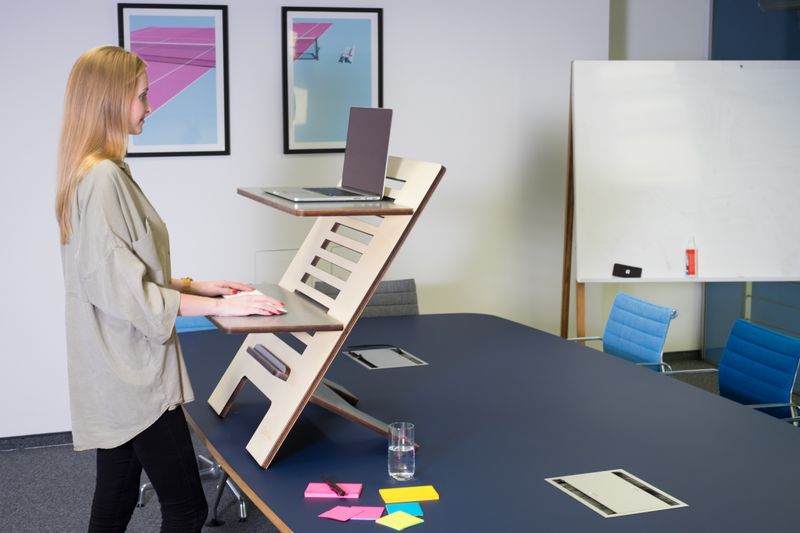
Method Five: Improve Workplace Ergonomics
Prevention is better than cure. Adjusting your work environment can fundamentally solve the problem:
| Item | Correct Setting | Common Mistakes |
|---|---|---|
| Monitor Height | Top of screen at eye level | Screen too low, requires looking down |
| Chair Height | Feet flat on the floor, knees at 90 degrees | Feet dangling or chair too low |
| Keyboard Position | Elbows at 90 degrees, wrists naturally straight | Keyboard too high, shoulders shrugging |
| Monitor Distance | An arm's length (about 50-70cm) | Too close or too far, requires craning neck |
| Rest Frequency | Stand up and move every 30-45 minutes | Sitting for several hours continuously without moving |
Method Six: Choose the Right Cervical Pillow
Sleep accounts for one-third of our day, and a suitable cervical pillow can provide proper support for the cervical spine during rest. Recommended cervical pillows usually have the following characteristics:
- Ergonomic curved design to support the natural curve of the cervical spine
- Memory foam or latex material for adequate support
- Adjustable height to suit different body types
- Breathable and moisture-wicking to stay cool and comfortable
When choosing a cervical pillow, it's most important to try it out. When sleeping on your back, the cervical pillow should fill the gap between your neck and the mattress; when sleeping on your side, the pillow's height should be equal to the width of your shoulder.
Method Seven: Acupressure Self-Treatment
Traditional Chinese Medicine acupressure has significant pain-relieving effects on neck and shoulder pain. You can try pressing the following acupoints yourself:
- Fengchi (GB20): Located in the hollows on both sides at the base of the skull, pressing it can relieve headaches and neck stiffness.
- Jianjing (GB21): Located at the highest point in the middle of the shoulder, pressing it can relax shoulder muscles.
- Hegu (LI4): Located in the web between the thumb and forefinger, pressing it can relieve pain in the upper body.
Press each acupoint for 1-2 minutes, with a pressure that causes soreness but not pain.
Method Eight: Moderate Exercise to Strengthen Muscles
Swimming, yoga, and Pilates are all very beneficial exercises for the neck and shoulders. Especially when swimming, the buoyancy of the water can reduce the load on the cervical spine while strengthening the neck, shoulder, and back muscles. It is recommended to exercise 2-3 times a week, for at least 30 minutes each time.
If you also have lower back pain or foot problems, you can refer to our heel pain relief guide to comprehensively care for all parts of your body.
Neck and Shoulder Massager Comparison: How to Choose the Right Product for You?
There is a wide variety of neck and shoulder massagers on the market, ranging from OTO neck and shoulder massagers, OTO shoulder and neck relaxers to OSIM neck and shoulder massagers, and even medical-grade neck massagers, with prices from a few hundred to several thousand Hong Kong dollars. Many people on the LIHKG forum ask which neck and shoulder massager is the best, but the key is to choose based on your own needs.
| Selection Factor | Mild Soreness | Moderate Pain | Severe/Chronic Pain |
|---|---|---|---|
| Recommended Type | Basic kneading massager | Shiatsu massager + heat therapy | Medical-grade TENS electrical therapy + professional massager |
| Usage Frequency | Use as needed | Once daily, 15 minutes each time | 1-2 times daily, in conjunction with treatment plan |
| Key Features | Basic kneading, vibration | Deep shiatsu, heating, multiple modes | TENS electrical therapy, precise positioning, professional-grade intensity |
| Budget Range | HK$200 - $500 | HK$500 - $1,500 | HK$1,000 - $3,000+ |
DRHO Product Recommendations: Professional Solutions for Neck and Shoulder Pain
Targeting Neck and Shoulder Pain, DRHO Offers a Range of Professional Products from Entry-Level to Advanced
1. DR-HO'S Neck Therapy Pro
A medical-grade device specifically designed for neck massage. It utilizes TENS technology and EMS muscle stimulation, precisely targeting neck muscle groups. Its lightweight, wearable design makes it easy to use at work or at home. Especially suitable for those with "text neck" pain and office workers who use computers for long periods.
Suitable for: Neck stiffness, back neck soreness, daily maintenance for "text neck" users
2. DR.HO'S Pain Therapy System (TENS Electrical Therapy System)
A medical-grade TENS electrical therapy unit with 4 electrode pads that can be flexibly placed on different pain points in the neck and shoulders. By adjusting the current intensity and mode, it effectively blocks pain signals and promotes blood circulation. Clinically proven pain relief technology, allowing you to enjoy effects similar to physical therapy at home.
Suitable for: Moderate to severe neck and shoulder pain, chronic pain, used in conjunction with rehabilitation programs
3. DR.HO'S Shiatsu Back Massager
A massager that mimics professional shiatsu techniques, equipped with a heating function. The rotating massage heads can deeply penetrate muscle layers, effectively relieving muscle tension in the shoulders, neck, and back. If you also suffer from back pain, this product can simultaneously address the shoulder, neck, and back areas.
Suitable for: Widespread soreness in shoulder, neck, and back muscles, muscle stiffness, daily relaxation
4. DR-HO'S Triple Action Back Belt
Utilizes TENS electrical therapy, EMS muscle stimulation, and heating – a triple technology approach. While primarily targeting the lower back, for users with neck and shoulder pain accompanied by lower back pain, it can be used in conjunction with the Neck Therapy Pro for comprehensive upper and lower body care.
Suitable for: Neck and shoulder pain combined with lower back pain, requiring comprehensive pain management
When should you see a doctor? Warning signs of neck and shoulder pain
Most neck and shoulder pain can be relieved using the methods above, but you should seek medical attention as soon as possible if you experience any of the following:
- Pain persists for more than 2 weeks, with no improvement despite various treatments
- Symptoms of arm or finger numbness or weakness
- Pain accompanied by dizziness, nausea, or blurred vision
- Significantly restricted neck movement
- Pain suddenly appears after an injury
- Accompanied by systemic symptoms such as fever or weight loss
Seeking medical attention early can rule out serious structural problems, such as herniated discs or spinal compression, and prevent delayed treatment.
Preventing neck and shoulder pain: Cultivate good habits
Instead of waiting until you're in pain, start by incorporating preventive habits into your daily routine:
- 20-20-20 rule: Every 20 minutes of computer use, look 20 feet away for 20 seconds, and move your neck simultaneously.
- Regular stretching: Set an alarm to remind yourself to do a set of neck stretches every 45 minutes.
- Correct phone posture: Hold your phone at eye level to reduce the time you spend looking down.
- Relax before bed: Use a neck massager for 10-15 minutes of relaxing massage to improve sleep quality.
- Choose the right pillow: Regularly check if your cervical pillow is deformed; it's recommended to replace it every 1-2 years.
- Stay active: Exercise at moderate intensity at least 3 times a week to strengthen your shoulder and neck muscles.
Frequently Asked Questions (FAQ)
Q1: How long can I use a neck and shoulder massager each day?
It is generally recommended to use it for 15-20 minutes at a time, no more than twice a day. Excessive use can overstimulate muscles and worsen discomfort. When using a neck and shoulder massager, you should start with the lowest intensity and gradually increase it to a comfortable level. If you feel uncomfortable or your pain worsens during use, stop immediately.
Q2: Can a cervical pillow really improve neck and shoulder pain?
Yes. An ergonomically designed cervical pillow can maintain the natural curve of your cervical spine while you sleep, allowing your muscles to rest fully. Studies show that using an appropriate cervical pillow can reduce morning neck stiffness by approximately 30-40% (Journal of Physical Therapy Science, 2019). The key is to choose a pillow that suits your sleeping position and body type.
Q3: Is TENS therapy safe? Are there any side effects?
TENS therapy is a widely clinically validated non-pharmacological pain relief method, approved by the U.S. Food and Drug Administration (FDA) as a safe and effective pain relief tool. Most people experience no significant side effects. However, pregnant women, individuals with pacemakers, and those with broken skin in the area should not use TENS devices. It is recommended to consult a doctor or physical therapist before use.
Q4: How can smartphone users prevent cervical spondylosis?
The most effective way is to reduce the time and frequency of looking down. It is recommended to hold your phone at eye level and do a set of neck stretches every 20-30 minutes. At the same time, you can regularly use a neck massager to relax your neck muscles and use an appropriate cervical pillow to ensure your cervical spine is well supported while you sleep. If you experience persistent neck pain, you should seek medical attention early for evaluation.
Q5: What are the differences between neck and shoulder massagers, OTO Neck & Shoulder Massager, and OSIM Neck and Shoulder Massager?
Different brands of neck and shoulder massagers on the market have their own characteristics. Traditional massager brands such as OTO Neck & Shoulder Massager and OSIM Neck and Shoulder Massager mainly use mechanical kneading and vibration technology. DRHO's products, on the other hand, focus on medical-grade technology, such as TENS therapy and EMS muscle stimulation, which can target pain points more precisely. When choosing, it is most important to consider your own pain level and usage needs, and refer to the comparison table above to make a decision.
Summary
Neck and shoulder pain is not your destiny. By understanding the causes of neck and shoulder pain, mastering correct neck and shoulder pain relief methods, choosing suitable neck and shoulder massagers and cervical pillows, and cultivating good daily habits, you can absolutely regain a pain-free life.
If you are suffering from neck and shoulder pain, it is recommended to start with basic posture adjustments and stretching exercises, and consider using DRHO's professional products to accelerate relief. Remember, the earlier you address it, the better the results. Don't wait until cervical spondylosis worsens to regret it.
Disclaimer: The information provided in this article is for reference only and does not constitute medical advice. If you have severe or persistent neck and shoulder pain, please consult a professional medical practitioner.