

Stretching Exercise Tutorial: 10 Essential Moves + Correct Techniques [Complete Guide 2026]
⚕️ Medical Disclaimer: This article is written by the DR-HO'S Health Editorial Team and reviewed by Dr. Michael Ho (D.C., Canadian Chiropractor, Founder of DR-HO'S). The content is for general health education and informational purposes only, and does not constitute medical diagnosis, treatment, or prescription advice. If you experience persistent pain, discomfort, or have health concerns, please consult a registered medical doctor, physical therapist, or qualified healthcare professional. In case of emergency, please call 999 immediately or go to the nearest emergency room.
🔗 Explore DR-HO'S Health Knowledge Hub
Do you spend eight hours a day sitting at work, then collapse on the sofa scrolling through your phone after? According to a survey by the Hong Kong Department of Health, over 60% of Hong Kong adults do not get enough exercise. A prolonged lack of activity leads to stiff muscles, decreased joint mobility, and various aches and pains. Stretching exercises are precisely the simplest and most effective solution – no equipment needed, just 10 to 15 minutes a day, and you can relax tight muscles, improve flexibility, and prevent common neck and shoulder pain and back pain.
This comprehensive stretching guide will teach you 10 essential stretching exercises, covering full-body stretches from the neck, shoulders, and waist to the legs. Each exercise comes with detailed step-by-step instructions, making it easy for both beginners and experienced individuals to follow along. We will also explain the benefits of stretching, correct stretching methods, stretching precautions, and suggested stretching routines for different scenarios, helping you establish your daily stretching habit.
📑 Table of Contents
- Benefits of Stretching: Why Stretch Daily?
- Types of Stretching: Static vs. Dynamic – What's the Difference?
- Pre-Stretching Preparation: Important Precautions for Correct Stretching
- Neck Stretching Exercises (Actions 1–2)
- Shoulder Stretching Exercises (Actions 3–4)
- Waist Stretching Exercises (Actions 5–7)
- Leg and Foot Stretching Exercises (Actions 8–10)
- Suggested Stretching Routines for Different Scenarios
- Stretching FAQ
- Conclusion: Build Your Daily Stretching Habit
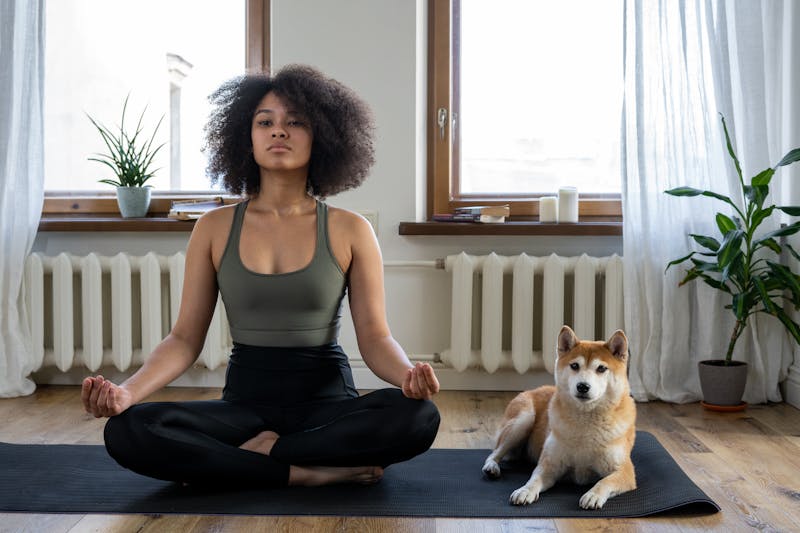
Benefits of Stretching: Why Stretch Daily?
Many people assume that stretching is just a "warm-up" before exercise and can be skipped. However, regular stretching exercises offer benefits far beyond what you might imagine. Here are three core benefits of daily stretching.
Improve Flexibility and Joint Mobility
Regular stretching can effectively increase muscle elasticity and length, leading to a greater range of motion in joints. According to research from the "Journal of Sports Science & Medicine," consistent stretching training for 4 weeks can improve flexibility by 20–30%. Whether you are 20 or 60, stretching can help you maintain body flexibility, making daily actions like bending down to pick things up or turning to reach objects much easier.
Prevent Pain and Sports Injuries
Chronic muscle tightness is one of the main causes of various pains. Regular stretching exercises can effectively relax tight muscle fibers, reducing the risk of muscle strains. For urban dwellers frequently troubled by neck and shoulder pain, neck and shoulder stretching exercises can significantly alleviate symptoms. Similarly, waist stretches are very effective in preventing and relieving lower back pain. To learn more about the causes and relief methods for lower back pain, you can refer to our Complete Guide to Back Pain and Lower Back Pain. If you also have neck and shoulder pain, you can check out the Complete Guide to Shoulder and Neck Pain for more detailed relief suggestions.
Promote Blood Circulation and Reduce Stress
During stretching, the extension and contraction of muscles promote blood flow, helping oxygen and nutrients to be delivered more efficiently to all parts of the body. Improved blood circulation not only aids muscle recovery but can also reduce problems like cold hands and feet and swollen legs. If you wish to further promote lower limb blood circulation, consider using DR-HO'S Circulation Promoter → for even more significant results.
Furthermore, deep breathing and focus during stretching can help lower cortisol (stress hormone) levels, achieving a stress-reducing effect. Many people report that after spending 10 minutes stretching daily, they feel more relaxed and their sleep quality has improved.
Types of Stretching: Static vs. Dynamic – What's the Difference?
Many people think that there's only one way to stretch, but in fact, stretching methods are mainly divided into two categories: static stretching and dynamic stretching. Understanding their differences allows you to use the right method at the right time.
Static Stretching
Static stretching involves extending a muscle to a point of slight tension and holding it there without movement, typically for 15 to 30 seconds per stretch. This type of stretching is best performed after exercise or before bed, as it helps relax muscles and reduce soreness. Most of the 10 stretching exercises taught in this article are static stretches.
Dynamic Stretching
Dynamic stretching involves performing controlled, repetitive movements that gradually increase the range of motion in your joints. Examples include high knee walks in place or arm circles. This method is best for warming up before exercise, as it can increase muscle temperature and nerve response speed.
Which type of stretching is right for you?
| Comparison Item | Static Stretching | Dynamic Stretching |
|---|---|---|
| Applicable Time | After exercise, before bed | Warm-up before exercise |
| Movement Characteristics | Held in place, maintain for 15–30 seconds | Repetitive movements, gradually increasing range of motion |
| Main Effect | Increase flexibility, relax muscles | Increase muscle temperature, activate nerves |
| Suitable for | Everyone, especially beginners | Individuals with an exercise routine |
Recommendation: If you are a beginner to stretching, start with static stretching, then incorporate dynamic stretching once you are proficient. The ideal practice is to perform dynamic stretching as a warm-up before exercise and static stretching for cool-down and relaxation afterward.
Pre-Stretching Preparation: Important Precautions for Correct Stretching
The correct stretching method is crucial to achieve optimal results while avoiding injury. Before you begin the following 10 stretching exercises, please note these important stretching precautions:
- Perform a light warm-up first: Before stretching, it's recommended to do 2–3 minutes of light activity (e.g., marching in place, arm circles) to slightly warm up your muscles and prevent overstretching cold muscles.
- Pay attention to breathing: Maintain natural breathing during stretching, deepening the stretch during exhalation. Avoid holding your breath, as this can cause muscles to tighten further.
- Control stretching duration: Hold each static stretch for 15–30 seconds, repeating 2–3 times per side. The total daily stretching time recommended is 10–15 minutes.
- Feel a stretch, but no pain: Correct stretching should involve a mild pulling sensation, but no sharp pain. If you feel pain, stop immediately and reduce the intensity of the stretch.
Here are some common stretching mistakes to avoid:
- Ballistic stretching: Rapid, bouncing stretches can trigger muscle protective mechanisms, causing muscles to tighten further and even leading to strains.
- Overstretching: Do not force yourself into a range of motion beyond your capabilities. Progress gradually to ensure safety.
- Stretching during acute injury: If a body part is experiencing acute inflammation or injury, avoid stretching that area until the inflammation subsides.
Neck Stretching Exercises (Actions 1–2)
The neck is one of the areas most prone to stiffness and pain for urban dwellers, especially those who spend long hours in front of computers or looking down at their phones. The following two neck stretching exercises can effectively relax neck muscles and relieve tightness. If you frequently experience neck pain, it is recommended to also refer to our Complete Guide to Shoulder and Neck Pain for more relief methods.
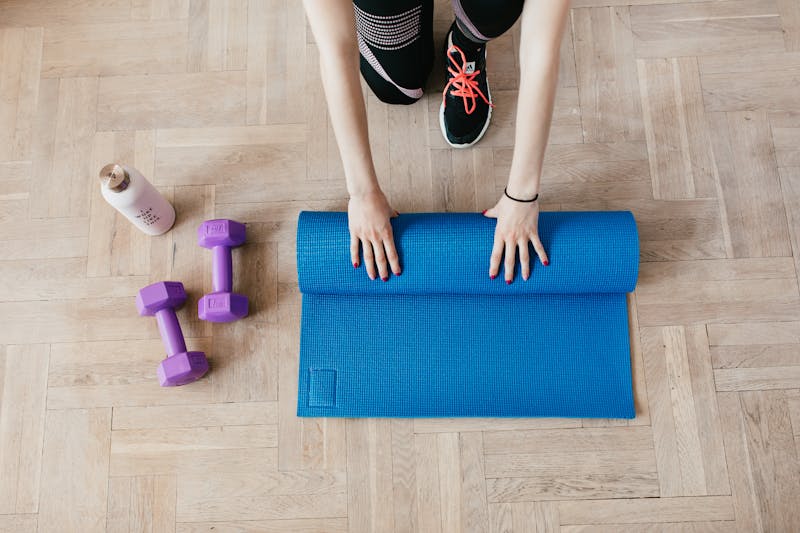
Action 1 — Side Neck Stretch
Target Muscles: Upper Trapezius, Levator Scapulae
- Sit or stand tall, letting your shoulders relax naturally.
- Gently place your right hand on the left side of your head.
- Slowly tilt your head to the right, feeling the stretch on the left side of your neck.
- Hold for 20–30 seconds, maintaining deep breaths.
- Slowly return to the center and repeat on the other side.
Repetitions: 2–3 times per side
Tip: When stretching, consciously press the opposite shoulder down to enhance the stretch. This exercise is especially suitable for office stretching, as you can do it while sitting at your desk.
Action 2 — Neck Rotation Stretch
Target Muscle: Sternocleidomastoid
- Sit tall, with relaxed shoulders.
- Slowly turn your head to the right until you feel a stretch on the left side of your neck.
- At the end position, slightly lift your chin to intensify the stretch.
- Hold for 20–30 seconds, maintaining your breath.
- Slowly return to the front and repeat on the other side.
Repetitions: 2–3 times per side
Tip: After performing neck stretches, it is recommended to use DR-HO'S Neck Therapy Pro → to further relax neck muscles. Stretching combined with massage will yield more significant results.
Shoulder Stretching Exercises (Actions 3–4)
Stiff and sore shoulders are common issues for office workers. The following two shoulder stretching exercises can effectively stretch the muscles around the shoulders and improve posture problems like rounded shoulders and hunchback.
Action 3 — Cross-Body Shoulder Stretch
Target Muscles: Posterior Deltoid, Rhomboids
- Stand or sit tall, extend your right arm straight across your chest.
- Use your left hand to cup your right elbow, gently pulling your right arm closer to your body to the left.
- Feel the stretch in the back of your right shoulder.
- Hold for 20–30 seconds, maintaining your breath.
- Relax and repeat on the other side.
Repetitions: 2–3 times per side
Tip: When performing the movement, keep the shoulder on the stretching side relaxed and down, not shrugging, to effectively stretch the target muscles.
Action 4 — Doorway Pec Stretch
Target Muscles: Pectoralis Major, Anterior Deltoid
- Stand next to a doorway, place your right forearm against the doorframe, with your elbow bent at a 90-degree angle, keeping your elbow and shoulder at the same height.
- Step forward with your right foot, leaning your body slightly forward until you feel a stretch in your right chest and the front of your shoulder.
- Hold for 20–30 seconds, maintaining deep breaths.
- Return to the starting position and repeat on the other side.
Repetitions: 2–3 times per side
Tip: This exercise is particularly helpful for individuals with chronic hunchback, as it helps open up tightened chest muscles. If your shoulders often feel stiff and sore, after stretching, you can use the Pain Therapy System → to help relieve deep muscle tension and discomfort.
Waist Stretching Exercises (Actions 5–7)
The waist is one of the areas that bears the most stress from daily activities. Whether due to prolonged sitting or lifting heavy objects, the waist muscles can easily become tight and fatigued. The following three waist stretching exercises can effectively stretch the muscle groups around the spine, preventing and relieving back pain.
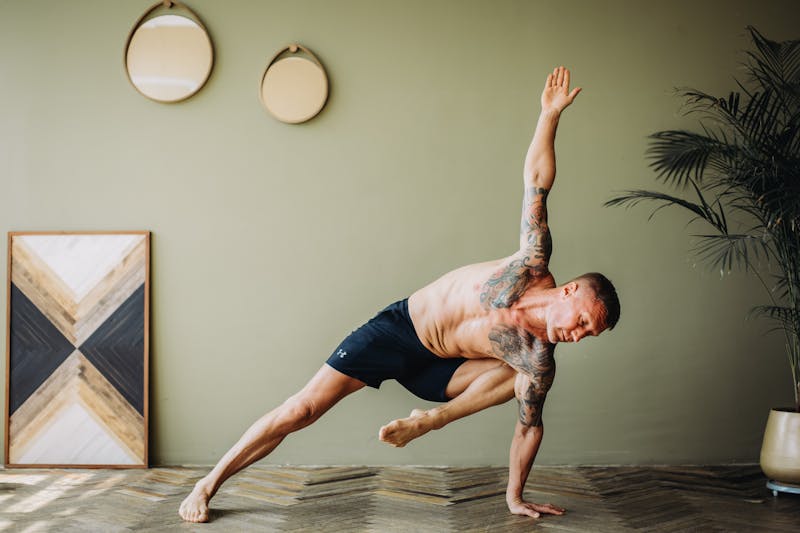
Action 5 — Cat-Cow Stretch
Target Muscles: Muscles around the spine (Erector Spinae, Multifidus, Abdominal Muscles)
- Kneel on the floor with hands and knees in a "four-point kneeling position," wrists directly under shoulders, and knees under hips.
- Cat Pose: As you inhale, slowly arch your back upwards (like a cat stretching), let your head naturally drop, and bring your chin towards your chest. Hold for 5 seconds.
- Cow Pose: As you exhale, let your lower back sink downwards, lifting your head and tailbone upwards, extending your abdomen towards the floor. Hold for 5 seconds.
- Alternate between Cat and Cow poses, performing 8–10 repetitions per set.
Repetitions: 2–3 sets
Tip: Perform the movements slowly, coordinating with your breath. This is one of the most classic waist stretching exercises, especially effective for relieving lower back stiffness.
Action 6 — Knee-to-Chest Stretch
Target Muscles: Lower back, Gluteus Maximus
- Lie on your back on a yoga mat with your legs extended straight.
- Bend your right knee, clasp your hands below your right knee (on the calf), and gently pull your knee towards your chest.
- Keep your left leg straight and on the ground, feeling the stretch in your right hip and lower back.
- Hold for 20–30 seconds, maintaining your breath.
- Repeat on the other side. You can also pull both knees to your chest simultaneously for a more intense stretch.
Repetitions: 2–3 times per side
Tip: This exercise is highly effective for relieving lower back tightness and soreness. If you frequently experience back pain, in addition to regular stretching exercises, it is recommended to read our Complete Guide to Back Pain and Lower Back Pain to understand more comprehensive management methods.
Action 7 — Seated Spinal Twist
Target Muscles: Quadratus Lumborum, External Obliques
- Sit on the floor with both legs extended straight in front of you.
- Bend your right leg and place your right foot on the ground outside your left knee.
- Place your left elbow on the outside of your right knee, gently pushing to the right.
- Place your right hand behind you for support, slowly twist your upper body to the right, looking over your right shoulder.
- Hold for 20–30 seconds, feeling the rotational stretch in your waist.
- Return to the front and repeat on the other side.
Repetitions: 2–3 times per side
Tip: This exercise effectively stretches the muscles on both sides of the waist and is very helpful for improving spinal flexibility. After waist stretching, if you want to provide additional support and protection for your waist, you can use the DR-HO'S Triple Action Back Belt →, especially suitable for those who need to sit or stand for long periods.
Leg and Foot Stretching Exercises (Actions 8–10)
Leg muscles are one of the largest muscle groups in the body. A long-term lack of stretching can affect mobility and lower limb blood circulation. The following three foot stretching and leg stretching exercises can effectively relax the thigh and calf muscles.

Action 8 — Standing Quadriceps Stretch
Target Muscles: Quadriceps (front of the thigh)
- Stand tall, you can hold onto a wall or chair back with your left hand for balance.
- Bend your right knee, and use your right hand to grasp your right ankle or the top of your right foot.
- Gently pull your right heel towards your glutes, keeping your knee pointing towards the ground and both knees close together.
- Hold for 20–30 seconds, feeling the stretch in the front of your thigh.
- Slowly lower your right foot and repeat on the other side.
Repetitions: 2–3 times per side
Tip: Keep your body upright, avoiding leaning forward or arching your lower back excessively. If your balance is not good, you can do this exercise with your back against a wall.
Action 9 — Seated Hamstring Stretch
Target Muscles: Hamstrings (back of the thigh)
- Sit on a yoga mat with both legs extended straight in front of you.
- Keep your back straight, and slowly hinge forward from your hips, trying to reach your toes with your hands.
- Avoid rounding your back – the key is to fold from the hips, keeping your back flat.
- Hold for 20–30 seconds, feeling the stretch in the back of your thighs.
- Slowly return to an upright sitting position.
Repetitions: 2–3 times
Tip: If your flexibility is not good, you can slightly bend your knees or use a towel looped around your feet for assistance. The effect of full-body stretching is gradual; each time you do it, you will improve slightly. Want to stretch in a more comfortable environment? Stretching on the DR-HO’S Neck and Back Massage Mat (MotionSolution Mat) → can provide better cushioning and support, making your stretching process more comfortable.
Action 10 — Calf Stretch (Wall Press)
Target Muscles: Gastrocnemius, Soleus (back of the calf)
- Stand facing a wall, place both palms on the wall, at shoulder height.
- Step back with your right foot, taking a large step, keeping your left foot in front with the knee slightly bent.
- Keep your right heel on the ground and your right leg straight, leaning your body forward, feeling the stretch in the back of your right calf.
- Hold for 20–30 seconds.
- Repeat on the other side.
Repetitions: 2–3 times per side
Tip: To additionally stretch the soleus muscle, slightly bend the knee of the back leg in the same position. Tight calves are often associated with heel pain. If you have heel or sole of the foot problems, you can refer to our Complete Guide to Heel Pain and Foot Pain. After performing leg stretching exercises, using DR-HO'S Circulation Promoter → can effectively promote lower limb blood circulation and accelerate muscle recovery.
Suggested Stretching Routines for Different Scenarios
Not everyone has time to do all 10 exercises, so we have designed three stretching routines for different scenarios. You can choose flexibly according to your needs.
Office Stretching (5-Minute Express Version)
An office stretching routine suitable for lunch breaks or between work tasks, which can be done seated or standing:
- Movement 1: Side Neck Stretch (20 seconds per side)
- Movement 3: Chest and Shoulder Stretch (20 seconds per side)
- Movement 5: Seated Cat-Cow Stretch – alternating arching and rounding your back while seated on a chair (8 repetitions)
This routine takes about 5 minutes and effectively relieves stiffness in the shoulders, neck, and lower back caused by prolonged sitting in front of a computer.
Warm-up Stretching Routine Before Exercise
Stretching before exercise should primarily involve dynamic stretches to help prepare the body for higher-intensity activities:
- Arm Circles (10 forward, 10 backward)
- High Knees in Place (20 repetitions)
- Walking Lunges (8 steps per side)
- Torso Twists (10 repetitions per side)
This entire pre-exercise stretching routine takes approximately 5–8 minutes and can effectively increase muscle temperature and joint flexibility, reducing the risk of exercise-related injuries.
Relaxing Stretching Routine Before Sleep
Performing static stretching before sleep can help relax the body and mind, improving sleep quality:
- Movement 1: Side Neck Stretch (30 seconds per side)
- Movement 5: Cat-Cow Stretch (8 repetitions)
- Movement 6: Knees-to-Chest Stretch (30 seconds per side)
- Movement 9: Seated Hamstring Stretch (30 seconds)
After completing this pre-sleep stretching routine, your entire body will feel noticeably more relaxed. The whole set takes about 8–10 minutes and is the best introductory routine for building a daily stretching habit. Want to further enhance relaxation before sleep? After stretching, pair it with a back massage using the DR.HO'S Shiatsu Back Massager→ to relax your muscles more thoroughly and help you fall asleep easier.
Common Stretching Questions FAQ
Below are the six most frequently asked questions about stretching exercises, to help answer common doubts.
Q: What is the difference between stretching and yoga?
Stretching primarily focuses on muscle elongation and improving flexibility, with relatively simple and direct movements. Yoga, on the other hand, is a more comprehensive mind-body practice system that includes postures, breathing techniques, and meditation. Stretching can be considered one element of yoga, but yoga covers a broader scope. If you want to start simple, learning stretching movements first might be more suitable.
Q: Does stretching only work if it hurts?
Absolutely not! Proper stretching should elicit a gentle pulling and tension sensation, but there should be no sharp pain. "Stretching until it hurts" may indicate overstretching, which could lead to muscle or ligament damage. Remember, the core principle of stretching methods is gentle progression.
Q: How long should I stretch each day?
The American College of Sports Medicine (ACSM) recommends performing 10–15 minutes of stretching exercises daily, holding each stretch for 15–30 seconds and repeating 2–3 times. You need at least 2–3 times per week to see improvements in flexibility, but daily consistency is ideal. The stretching time doesn't need to be long; consistency is key.
Q: Can stretching help with weight loss?
Stretching itself is not a high-calorie-burning exercise, so it burns limited calories. However, regular stretching can improve muscle condition and enhance athletic performance, indirectly helping you burn more energy during other workouts. It's more accurate to view stretching as part of a healthy lifestyle rather than solely a weight-loss method.
Q: Can I stretch when I have muscle soreness?
Moderate stretching can be helpful for relieving delayed onset muscle soreness (DOMS) after exercise, but it's important to reduce the range of motion and be gentler than usual. If the soreness is severe or accompanied by swelling and inflammation, you should rest first and avoid forcing a stretch.
Q: Is stretching suitable for seniors?
Very suitable! As we age, muscle and joint flexibility naturally decrease, and regular stretching can effectively slow down this process. When seniors perform stretching exercises, the movements can be smaller in amplitude and slower, avoiding actions that pose a risk of falling. Seated stretches or stretches performed while holding onto a chair are good options.
Conclusion: Build Your Daily Stretching Habit
Stretching exercise is the simplest and most cost-effective health investment. Just 10–15 minutes a day can improve flexibility, prevent various pains, promote microcirculation, and reduce stress. The 10 stretching movements listed above cover all major muscle groups—from the neck to the shoulders, from the waist to the legs—so whether you are a beginner or an experienced fitness enthusiast, you can combine them according to your needs.
The most important thing is not how much you do at once, but consistency. It is recommended to start with the simplest 2–3 movements, choose a fixed time (e.g., after waking up in the morning or before going to bed), and develop a habit of stretching daily. When you feel your body change—less muscle tension, more flexible joints, and a more relaxed mind—you will understand that the benefits of this small habit are beyond imagination.
Want to further enhance the effects of stretching and flexibility? Using appropriate辅助工具 (auxiliary tools) can achieve twice the result with half the effort. Whether it's warming up before stretching or relaxing afterwards, DRHO's products can help you, such as the DR-HO'S Neck Therapy Pro → or the DR-HO'S Circulation Promoter →, both of which are great aids for stretching enthusiasts. If you want to incorporate auxiliary equipment into your daily stretching routine, the DR-HO’S MotionSolution Mat→ can help you easily perform various stretching movements, especially suitable for those who find floor exercises difficult. Start your stretching journey today, and your body will definitely thank you!