

When to Use Heat or Cold Therapy? A Complete Guide to Timing, Methods, and Precautions
⚕️ Medical Disclaimer: This article was written by the DR-HO'S health editorial team and reviewed by Dr. Michael Ho (D.C., Canadian Chiropractor, Founder of DR-HO'S). The content is intended for general health education and information purposes only and does not constitute medical diagnosis, treatment, or prescription advice. If you have persistent pain, discomfort, or health concerns, please consult a registered doctor, physical therapist, or qualified healthcare professional. For emergencies, please call 999 immediately or go to the nearest emergency room.
🔗 Explore DR-HO'S Health Knowledge Center
Last updated: April 7, 2026 | Reading time: approx. 8 minutes
📋 Table of Contents
- 1. What are hot and cold compresses? Basic principles explained
- 2. When to use cold compresses? Acute injury treatment guide
- 3. When to use hot compresses? Chronic pain relief methods
- 4. Hot vs. Cold Compress: Full Comparison Table
- 5. Correct usage and precautions
- 6. Common mistakes and debunking myths
- 7. Enhance relief with DR-HO'S products
- 8. Frequently Asked Questions (FAQ)
Many people who are injured or in pain hesitate between using a hot or cold compress. Choosing the wrong method can not only fail to relieve pain but also worsen the injury. According to a study by the Chinese University of Hong Kong on sports medicine, about 65% of citizens use incorrect compress methods when treating pain at home, delaying the best recovery time.
This guide will provide a comprehensive analysis of the correct timing, methods, and precautions for using hot and cold compresses, allowing you to safely and effectively manage common pains at home. Whether it's muscle strain, joint pain, or chronic pain, understanding the correct compress knowledge is crucial.
1. What are hot and cold compresses? Basic principles explained
Hot and cold compresses are two of the most basic and commonly used non-pharmacological pain relief methods in physical therapy. Clinical studies show that correct use can reduce pain by 40-60%, especially effective within the first 48 hours of acute sports injuries.
1.1 Principles of Cold Compress (Cryotherapy)
Cold compress, also known as "ice pack" or "cryotherapy," achieves therapeutic effects by lowering local tissue temperature. When a cold source contacts the skin, it primarily produces the following physiological responses:
- Vasoconstriction: Low temperature narrows blood vessels, reducing blood flow to the injured area, thereby reducing swelling and inflammation.
- Reduced nerve conduction velocity: Cold temperature slows the transmission of pain signals, producing immediate pain relief.
- Reduced metabolic activity: Lowers cellular metabolic rate, reducing secondary damage caused by tissue hypoxia.
- Inhibition of inflammatory response: Reduces the release of inflammatory mediators, controlling the spread of acute inflammation.
1.2 Principles of Hot Compress (Thermotherapy)
Hot compress promotes blood circulation and accelerates tissue repair by raising local tissue temperature. Its main physiological effects include:
- Vasodilation: Heat relaxes and dilates blood vessels, increasing blood flow to deliver more oxygen and nutrients to damaged tissues.
- Muscle relaxation: Heat reduces muscle tension, relieving muscle spasms and stiffness.
- Increased tissue elasticity: Increases the extensibility of connective tissue, improving joint range of motion.
- Promoting waste removal: Accelerated blood circulation helps remove metabolic waste products and pain-inducing substances.
2. When to use cold compresses? Acute injury treatment guide
Cold compress is the preferred treatment method within the first 48 to 72 hours of an acute injury. Studies show that applying ice within 20 minutes of injury can reduce swelling by up to 50% and significantly shorten recovery time.
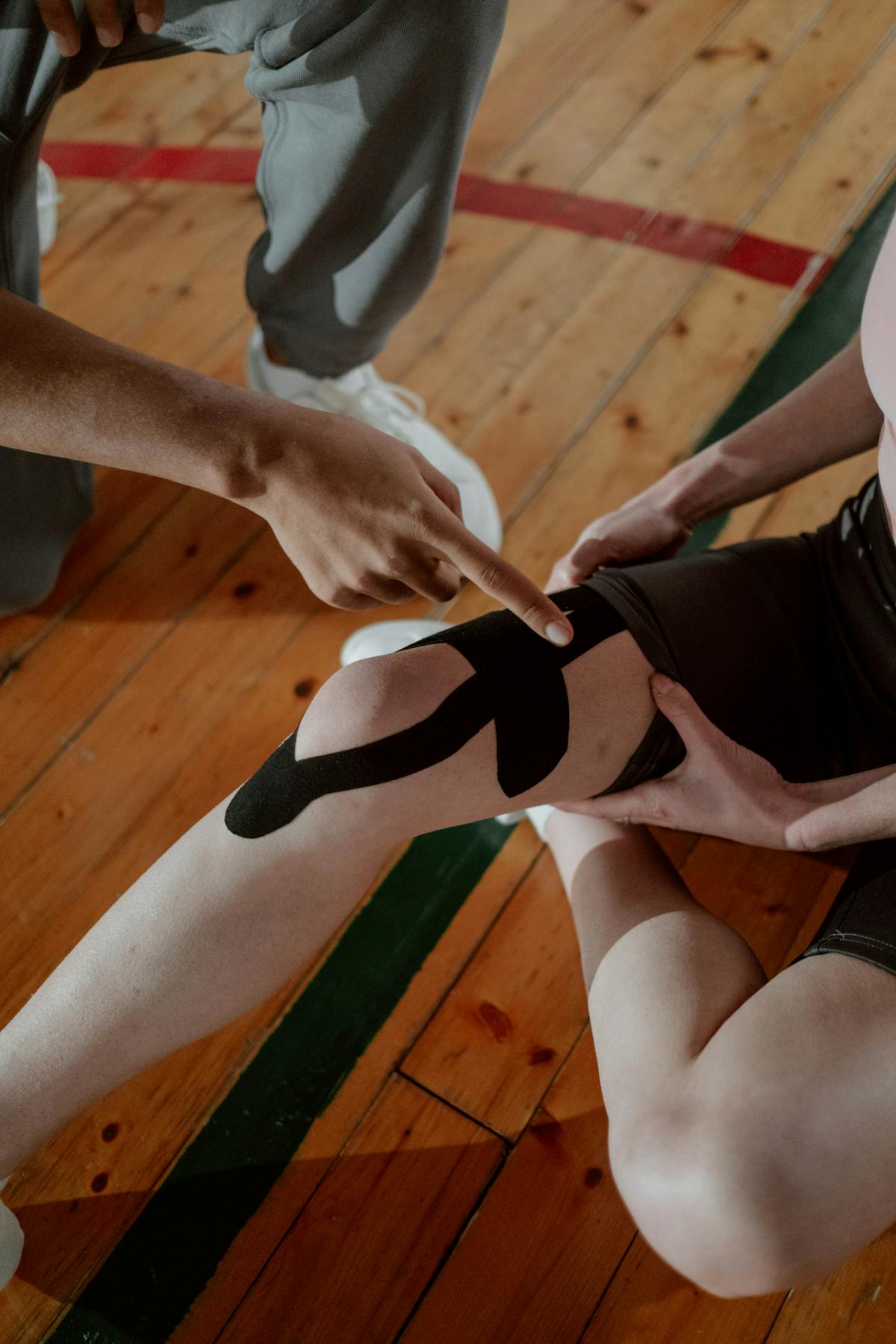
2.1 Situations suitable for cold compress
🧊 Cold compress applicable scenarios:
- Sprains and strains: Acute soft tissue injuries such as ankle sprains and muscle strains
- Bruises and contusions: Local swelling and bruising caused by falls or impacts
- Acute arthritis flare-ups: Gout attacks, acute phase of rheumatoid arthritis
- Acute post-exercise pain: Swollen knees after running, wrist pain after playing sports
- Post-operative swelling: Local swelling and pain after surgery
- Headaches and migraines: Cold compress on the forehead or neck can help relieve headaches
- Toothache: Cold compress on the cheek can temporarily relieve toothache
2.2 RICE Principle for Acute Injuries
When treating acute injuries, international sports medicine recommends following the RICE principle:
| Step | English | Method |
|---|---|---|
| R - Rest | Rest | Stop activity and allow the injured area to rest fully |
| I - Ice | Ice | 15-20 minutes each time, 3-4 times a day |
| C - Compression | Compression | Lightly bandage with an elastic bandage to reduce swelling |
| E - Elevation | Elevation | Elevate the injured area above the heart to help reduce swelling |
2.3 Correct steps for cold compress
- Prepare cold source: Ice pack, frozen gel pack, or ice cubes wrapped in a towel (never place ice directly on the skin)
- Add a layer: Place a thin towel or cloth between the skin and the cold source to prevent frostbite
- Apply cold compress: Gently place the cold source on the injured area, without applying pressure
- Timing: Apply for 15 to 20 minutes each time, never exceeding 30 minutes
- Rest interval: After removing the cold compress, rest for at least 1 to 2 hours before repeating
- Observe skin: If skin turns white, numb, or experiences severe pain, stop immediately
3. When to use hot compresses? Chronic pain relief methods
Hot compresses are mainly used for chronic pain and muscle stiffness relief. Clinical data shows that continuous low-temperature hot compress therapy can reduce pain scores by approximately 25-30% in patients with chronic low back pain, with effects lasting for several hours.

3.1 Situations suitable for hot compress
🔥 Hot compress applicable scenarios:
- Chronic low back pain: Long-term low back pain and stiffness
- Stiff neck and shoulders: Tight shoulder and neck muscles, stiff neck
- Muscle soreness: Delayed onset muscle soreness (DOMS) after exercise (usually appears 24-72 hours after exercise)
- Menstrual pain: Abdominal pain and cramps during menstruation
- Chronic joint stiffness: Morning stiffness in osteoarthritis
- Pre-exercise warm-up: Use hot compress to relax muscles before stretching exercises
- Tension headache: Hot compress on the back of the neck can relieve tension headaches
3.2 Correct steps for hot compress
- Select heat source: Hot water bottle, electric heating pad, microwaveable heat pack, or hot towel
- Check temperature: Ideal temperature is 40-45°C, it should not feel scorching hot when tested with the back of your hand
- Add a protective layer: Wrap the heat source in a towel to avoid direct skin contact and prevent burns
- Placement: Place on the painful or stiff muscle group
- Timing: Apply for 15 to 30 minutes each time, adjust according to comfort level
- Observe reaction: If skin becomes excessively red, blisters appear, or abnormal discomfort occurs, stop immediately
3.3 Comparison of different hot compress tools
| Hot compress tool | Temperature control | Duration | Suitable for |
|---|---|---|---|
| Hot water bottle | Harder to control precisely | 30-60 minutes | Abdomen, lower back |
| Electric heating pad | Adjustable temperature | Can be used continuously | Back, shoulders, neck |
| Microwaveable heat pack | Adjustable based on heating time | 20-40 minutes | Shoulders, neck, joints |
| Hot towel | Hard to control | 5-10 minutes | Face, neck |
4. Hot vs. Cold Compress: Full Comparison Table
The key to choosing between hot and cold compresses lies in the type of injury and its stage. Generally, applying a cold compress for the first 72 hours of an acute injury, then switching to a hot compress, is the standard practice recognized by international sports medicine.
| Comparison Item | 🧊 Cold Compress | 🔥 Hot Compress |
|---|---|---|
| Main effect | Reduce swelling, relieve pain, suppress inflammation | Promote circulation, relax muscles, accelerate recovery |
| Applicable period | 0-72 hours after injury (acute phase) | After 72 hours of injury or for chronic pain |
| Vascular reaction | Vasoconstriction → Reduced blood flow | Vasodilation → Increased blood flow |
| Duration per application | 15-20 minutes | 15-30 minutes |
| Recommended temperature | 0-10°C | 40-45°C |
| Common tools | Ice packs, frozen gel packs, cold towels | Hot water bottles, electric heating pads, hot towels |
| Contraindications | Raynaud's phenomenon, circulatory disorders, open wounds | Acute inflammation, active bleeding, skin infections |
💡 Simple way to remember:
"Redness, swelling, heat, pain use cold compress; stiffness, soreness use hot compress" — If the injured area shows acute inflammatory symptoms such as redness, swelling, heat, and pain, choose a cold compress; if you feel muscle stiffness and chronic soreness, choose a hot compress.
5. Correct usage and precautions
The core of correct compress use lies in temperature control and time management. World Health Organization physical therapy guidelines recommend at least a 1-hour interval between compress applications, with a total of no more than 4 to 6 applications per day.
5.1 Cold compress safety guidelines
⚠️ Cold compress precautions:
- Never place ice directly on the skin; always wrap it in a towel.
- Do not apply cold compress for more than 20 minutes at a time to avoid frostbite.
- Allow skin to return to normal temperature naturally after applying; do not immediately rinse with hot water.
- Diabetic patients need to be extra careful with temperature due to impaired nerve sensation.
- Individuals with poor circulation should consult a doctor before using cold compresses.
- Do not use cold compresses while sleeping to avoid prolonged low-temperature injury.
5.2 Hot compress safety guidelines
⚠️ Hot compress precautions:
- Temperature should not exceed 45°C to avoid low-temperature burns.
- Do not sleep while using an electric heating pad to prevent overheating.
- Do not use hot compresses within 72 hours of acute injury.
- Do not apply hot compresses to open wounds or broken skin.
- Pregnant women are not advised to use high-temperature hot compresses on the abdomen.
- Check hot water bottles for leaks or damage before use.
5.3 Contrast Therapy
In some cases, contrast therapy (alternating between cold and hot) can yield better results. This method utilizes alternating vasoconstriction and vasodilation to create a "pumping effect," accelerating blood circulation and waste removal.
Contrast Therapy Procedure:
- First, apply heat for 3-4 minutes to dilate blood vessels.
- Next, apply cold for 1 minute to constrict blood vessels.
- Repeat the above steps for 3-4 cycles.
- End with a cold application (for acute injuries) or a hot application (for chronic pain).
- The entire process takes approximately 20-30 minutes.
This method is particularly suitable for post-exercise recovery and chronic joint pain. However, contrast therapy is not recommended within the first 48 hours of an acute injury; cold therapy should be used alone first.
VI. Common Mistakes and Myth Busting
When treating pain at home, improper use of hot and cold therapy is very common. The Hong Kong Physiotherapy Association points out the following six most common misconceptions about hot and cold therapy, each of which can lead to worsening injuries or prolonged recovery.

6.1 Six Common Mistakes
| ❌ Common Mistake | ✅ Correct Practice |
|---|---|
| Applying heat immediately after a sprain | Acute sprains should be cold-packed for 48-72 hours first, then switched to heat therapy. |
| Placing ice directly on the skin | Must be wrapped in a towel to prevent frostbite. |
| Applying for too long (over 30 minutes) | Cold packs for 15-20 minutes, heat packs for 15-30 minutes are ideal. |
| Applying heat before swelling subsides | Switch to heat therapy only after swelling has completely subsided. |
| Sleeping with an ice pack | Remove after use before resting. |
| Believing colder is better/hotter is better | Appropriate temperature is key; extreme temperatures can cause harm. |
6.2 Myth Busting
Myth 1: "All pain requires ice."
Fact: Not all pain is suitable for cold therapy. Chronic muscle stiffness and soreness respond better to heat therapy. Cold therapy primarily targets redness, swelling, heat, and pain caused by acute injuries.
Myth 2: "Heat therapy can reduce swelling."
Fact: Heat therapy dilates blood vessels and increases blood flow, which can worsen swelling during the acute phase. Swelling should be reduced with cold therapy.
Myth 3: "The longer you apply, the better the effect."
Fact: Excessive cold therapy can lead to frostbite, while excessive heat therapy can cause low-temperature burns. Adhering to the recommended times is the safest and most effective practice.
Myth 4: "You can continuously apply to the same spot."
Fact: After each application, the skin should be allowed to rest for at least 1 hour to allow tissues to return to normal temperature and blood flow.
VII. Enhance Pain Relief with DR-HO'S Products
In addition to traditional hot and cold therapy, modern electrotherapy techniques such as TENS (Transcutaneous Electrical Nerve Stimulation) and EMS (Electrical Muscle Stimulation) can provide more precise pain relief and muscle relaxation. Research shows that the pain-relieving effect of TENS combined with hot/cold therapy is more than 30% higher than using hot/cold therapy alone.
🏥 DR-HO'S Recommended Products
Full Body Pain Relief Solution:
- Dr. HO'S Pain Therapy System — Utilizes TENS and EMS dual technology, can be used after cold or hot therapy to further block pain signals and promote muscle relaxation, suitable for acute and chronic pain in all body parts.
Neck and Shoulder Pain Solution:
- DR-HO'S Neck Therapy Pro — Designed specifically for the neck and shoulders, more effective when used after heat therapy to relax muscles, effectively relieving cervical stiffness and shoulder pain.
- DR.HO'S Neck Massager — Simulates professional massage techniques, combined with heat therapy for deep relaxation of neck and shoulder muscles.
Back Pain Solution:
- DR.HO'S Shiatsu Back Massager — Shiatsu massage with heat therapy function, suitable for daily use by chronic back pain sufferers.
- DR-HO'S Triple Action Back Belt — Three-in-one design combining decompression support, TENS pain relief, and EMS muscle strengthening.
- DR-HO'S MotionSolution Mat — Full spinal massage mat, relieves back stiffness and pain.
Leg and Foot Pain Solution:
- DR-HO'S Circulation Promoter — Promotes blood circulation in the lower limbs, used after cold therapy helps accelerate recovery from ankle sprains.
Recommended usage order: First, apply appropriate cold or heat therapy → Wait for the skin to return to normal temperature → Then use DR-HO'S electrotherapy products for deep treatment. For more information on comparing pain relief methods, please refer to our dedicated article.
VIII. Frequently Asked Questions FAQ
Q1: Should I use cold or heat therapy after a sprain?
A sprain is an acute injury, so cold therapy should be applied immediately after the injury. Apply cold for 15-20 minutes each time, 3-4 times a day, for 48 to 72 hours. Once the swelling subsides, you can switch to heat therapy to promote recovery. Remember that using heat therapy during the acute injury phase will worsen swelling.
Q2: Should I use heat or cold therapy for back pain?
It depends on the nature of the back pain. If it's a sudden lower back sprain (acute lumbar sprain), cold therapy should be used for the first 48 hours. If it's long-term chronic back pain or muscle stiffness, heat therapy is more effective. Most back pain caused by prolonged sitting in the office is chronic and suitable for heat therapy.
Q3: Can cold and hot therapy be used alternately?
Yes, but with conditions. For acute injuries, only cold therapy should be used for the first 48 hours. After that, contrast therapy can be tried: heat for 3-4 minutes, cold for 1 minute, repeated 3-4 times. This method creates a "pumping effect" that promotes blood circulation and tissue repair.
Q4: How long is cold therapy most effective?
Clinically, 15 to 20 minutes per cold application is optimal. Less than 10 minutes is not ideal, and more than 30 minutes carries a risk of frostbite. After each cold application, rest for at least 1-2 hours before the next one. Cold therapy can be applied 3 to 4 times a day.
Q5: When should cold therapy not be used?
Cold therapy should be avoided in the following cases: patients with Raynaud's disease, those with severe circulatory disorders, open wounds or broken skin, individuals allergic to cold, and areas with impaired sensation (e.g., neuropathy caused by diabetes). If in doubt, consult a doctor first.
Q6: Should I use cold or heat therapy for muscle soreness after exercise?
Immediate acute pain or swelling after exercise should be treated with cold therapy. However, for delayed onset muscle soreness (DOMS) that appears 24-72 hours after exercise, heat therapy is recommended as it promotes blood circulation, relaxes muscles, and accelerates waste removal.
Q7: Can TENS electrotherapy and hot/cold therapy be used simultaneously?
It is not recommended to use them simultaneously. The correct procedure is to complete the cold or hot therapy first, and then after the skin returns to normal temperature (about 15-30 minutes), use a TENS device such as Dr. HO'S Pain Therapy System. This prevents changes in skin sensitivity from affecting the electrotherapy's effectiveness, while also providing the dual pain relief benefits of hot/cold therapy and electrotherapy.
Conclusion
Mastering the correct use of hot and cold therapy is basic health knowledge that everyone should possess. Remember the core principle: cold therapy for acute injuries, heat therapy for chronic pain. Pay attention to controlling temperature and duration, and avoid overuse. If pain persists for more than a week or worsens, seek medical attention promptly.
Using DR-HO'S electrotherapy products in conjunction can further enhance pain relief and recovery. For more pain-related information, you can browse our Shoulder and Neck Pain Relief Guide, Knee Brace Recommendation Guide, and Foot and Heel Pain Relief Guide.
Disclaimer: The content of this article is for informational purposes only and does not constitute professional medical advice. For serious injuries or persistent pain, please consult a registered doctor or physical therapist.