

Poor blood circulation: what to do? 8 ways to improve it and boost your overall health [Complete Guide 2026]
⚕️ Medical Disclaimer: This article was written by the DR-HO'S health editorial team and reviewed by Dr. Michael Ho (D.C., Canadian Chiropractor, Founder of DR-HO'S). The content is for general health education and information purposes only, and does not constitute medical diagnosis, treatment, or prescription advice. If you have persistent pain, discomfort, or health concerns, please consult a registered doctor, physiotherapist, or qualified healthcare professional. In case of emergency, please call 999 immediately or go to the nearest emergency room.
🔗 Explore DR-HO'S Health Knowledge Center
Do you often experience cold hands and feet in winter, numb legs after sitting for a long time, slow wound healing, or frequent fatigue? These could all be signs of poor blood circulation. According to World Health Organization data, approximately 18% of adults worldwide are affected by varying degrees of peripheral circulatory problems, and in Hong Kong, a city where a sedentary office culture is prevalent, the situation may be even more common. The good news is that most mild to moderate blood circulation problems can be significantly improved through daily habits and assistive devices. This guide will start with the causes and introduce 8 effective improvement methods to help you restore smooth circulation from head to toe.
📑 Table of Contents
- 7 Major Symptoms of Poor Blood Circulation: How many do you have?
- Why is Blood Circulation Poor? 5 Common Causes
- 8 Effective Ways to Improve Blood Circulation
- Electrotherapy Assistance: Actively Promote Lower Limb Blood Circulation
- Dietary Recommendations for Improving Blood Circulation
- High-Risk Groups and Precautions
- Blood Circulation FAQs
- Conclusion
7 Major Symptoms of Poor Blood Circulation: How many do you have?
The symptoms of poor blood circulation can be subtle, and many people get used to them without realizing it. If you experience 3 or more of the following 7 symptoms, you should seriously address your circulatory problems.
- Cold hands and feet: Fingers and toes are often icy cold, even indoors or in summer. This is the most typical symptom of poor blood circulation, indicating that blood is not effectively reaching the extremities.
- Numbness or tingling in the legs: After sitting or standing for a long time, a "pins and needles" sensation appears in the soles of the feet or calves. This is a sign of impaired blood return.
- Leg swelling: By afternoon or evening, the calves or ankles are noticeably swollen, leaving an indentation when pressed (pitting edema).
- Slow wound healing: Small wounds and bruises take longer than normal to heal. Poor blood circulation reduces oxygen and nutrient supply to tissues.
- Skin discoloration: The skin on the toes or feet appears pale, purplish-red, or dull. In severe cases, the nails may also change color.
- Frequent fatigue: You still feel tired even after getting 7-8 hours of sleep. Poor blood circulation can lead to insufficient oxygen and energy supply to various organs in the body.
- Decreased memory or dizziness: Insufficient blood supply to the brain can affect cognitive function, leading to short-term memory loss, difficulty concentrating, and frequent dizziness.
If you experience severe discoloration of hands and feet (purplish-black), chest pain, difficulty breathing, or sudden weakness in one limb, these are medical emergencies and you should call 999 immediately.
Why is Blood Circulation Poor? 5 Common Causes
Understanding the causes of poor blood circulation is essential for targeted treatment. Here are the 5 most common causes.
1. Sedentary Lifestyle
This is the number one culprit for poor blood circulation among Hongkongers. Sitting for 8-10 hours a day at work, sitting on transport after work, and then collapsing on the sofa at home—prolonged lack of activity weakens the pumping function of lower limb muscles, making blood return difficult. Studies show that people who sit for more than 8 hours a day have a 147% increased risk of peripheral vascular disease. To learn more about the effects of prolonged sitting on the body, you can refer to the Complete Guide to Causes and Relief of Back Pain.
2. Arteriosclerosis and High Blood Pressure
Cholesterol and fatty deposits (plaque) accumulate on the arterial walls, narrowing blood vessels and reducing their elasticity. High blood pressure further exacerbates damage to the blood vessel walls. This is the most common pathological cause of blood circulation problems in people over 50.
3. Diabetes
Diabetes can damage the inner lining of blood vessels and peripheral nerves, leading to what is known as "diabetic angiopathy." The incidence of poor foot blood circulation is extremely high in diabetic patients, which can lead to diabetic foot and even amputation in severe cases. These patients should be particularly vigilant if they experience numbness and coldness in their toes. For details, please refer to the Guide to Causes and Relief of Toe Pain.
4. Smoking
Nicotine in tobacco directly constricts blood vessels and damages the inner lining of blood vessels. Long-term smoking is a major risk factor for peripheral arterial disease (PAD). Studies show that smokers have a 4 times higher risk of PAD than non-smokers.
5. Insufficient Muscle Pump Function Due to Lack of Exercise
Venous blood in the lower limbs relies on the contraction of calf muscles (known as the "second heart") to pump blood back to the heart. If the leg muscles are not exercised for a long time, this pumping mechanism will weaken, leading to difficulty in lower limb blood return, swelling, and varicose veins.
8 Effective Ways to Improve Blood Circulation
The following 8 methods, from simple daily adjustments to advanced assistive solutions, will progressively help you improve blood circulation.
Method 1: Get up and move for 5 minutes every hour
This is the simplest yet most effective first step. Every 45-60 minutes of sitting, get up and walk a few steps, do a few squats, or march in place. Studies confirm that just 5 minutes of light activity per hour can significantly improve lower limb blood return and reduce venous blood stagnation. You can set an alarm to remind yourself.
Method 2: Aerobic Exercise (150 minutes per week)
The WHO recommends that adults do at least 150 minutes of moderate-intensity aerobic exercise per week. Hiking, jogging, swimming, and cycling are all good choices for promoting overall blood circulation. Aerobic exercise can enhance heart pumping ability and improve blood vessel elasticity. If you have knee problems and cannot run, you can refer to the Knee Support Recommendations and Complete Guide to Knee Protection to learn how to protect your knees during exercise.
Method 3: Leg Stretching and Massage
Spend 10-15 minutes daily doing lower limb stretches—toe curls with a towel, ankle rotations, calf stretches, and thigh front and back stretches—to relax tight muscles and promote blood flow. Combining this with an upward leg massage from the bottom up yields even better results. To learn more stretching exercises, you can refer to the Complete Guide to Stretching Exercises.
Method 4: Elevate Your Legs
Spend 15-20 minutes daily elevating your legs to a position above your heart (e.g., lying on a bed with pillows under your legs) to use gravity to help venous blood return and reduce lower limb swelling. This is especially suitable after prolonged standing or sitting.
Method 5: Wear Compression Stockings
Medical-grade compression stockings (15-20 mmHg pressure level or higher) are designed with graduated compression from the ankle upwards to help venous blood return in the lower limbs. They are suitable for people who stand for long periods at work (e.g., teachers, retail workers, healthcare professionals), those taking long flights, or those with mild varicose veins. It is advisable to consult a doctor or pharmacist before purchasing.
Method 6: Warm Foot Soaks
Soaking your feet in warm water at 38-42°C for 15-20 minutes can dilate blood vessels in the feet and promote local blood circulation. Adding a small amount of Epsom salt can further relax muscles. Note: Diabetic patients, due to reduced sensation, should have a caregiver test the water temperature to avoid burns. For more tips on using hot and cold therapy, please refer to the Guide to Choosing and Correctly Using Hot and Cold Therapy.
Method 7: Quit Smoking
If you are a smoker, quitting smoking is the most effective thing you can do. Studies show that blood vessel function begins to improve within 2-4 weeks of quitting, and the risk of peripheral vascular disease decreases by 50% within 1 year.
Method 8: Electrotherapy Assisted Circulation Promotion (See Next Section)
For individuals suffering from chronic poor blood circulation (especially the elderly, those with limited mobility, and pre-diabetics), exercise and lifestyle adjustments alone may not be enough. In recent years, more and more people are choosing to use at-home electrotherapy devices to actively promote lower limb blood circulation. This will be discussed in detail in the next section.
Electrotherapy Assistance: Actively Promote Lower Limb Blood Circulation
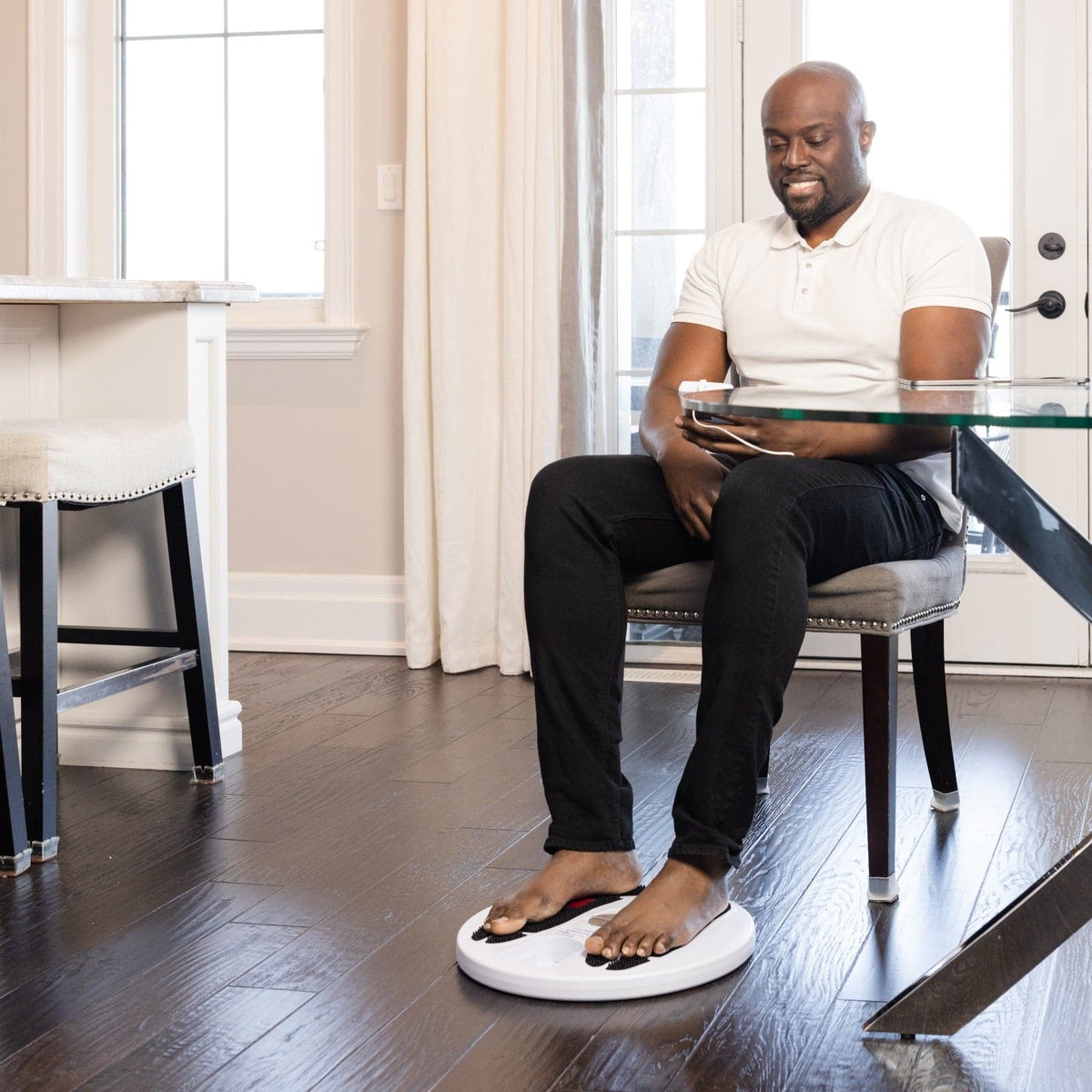
Traditional improvement methods (exercise, massage, foot soaks, etc.) are all passive or indirect ways to promote circulation. The advantage of electrotherapy assistance is that it can actively trigger muscle contractions through electrical stimulation, simulating the pumping mechanism of the "second heart" to directly promote lower limb blood return. This is particularly valuable for people with limited mobility who cannot get enough exercise.
DR-HO'S Circulation Promoter (CP): Daily Circulation Maintenance
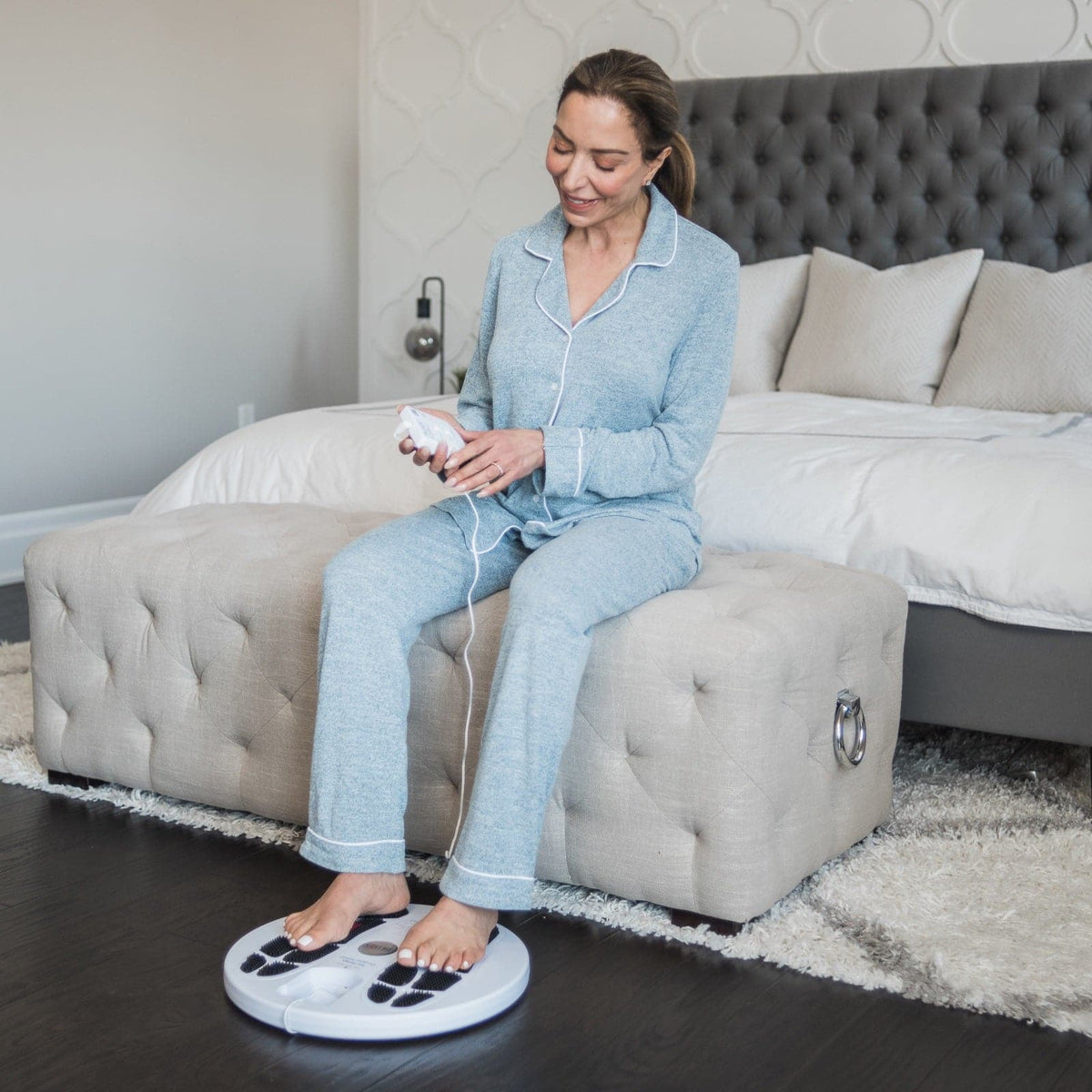
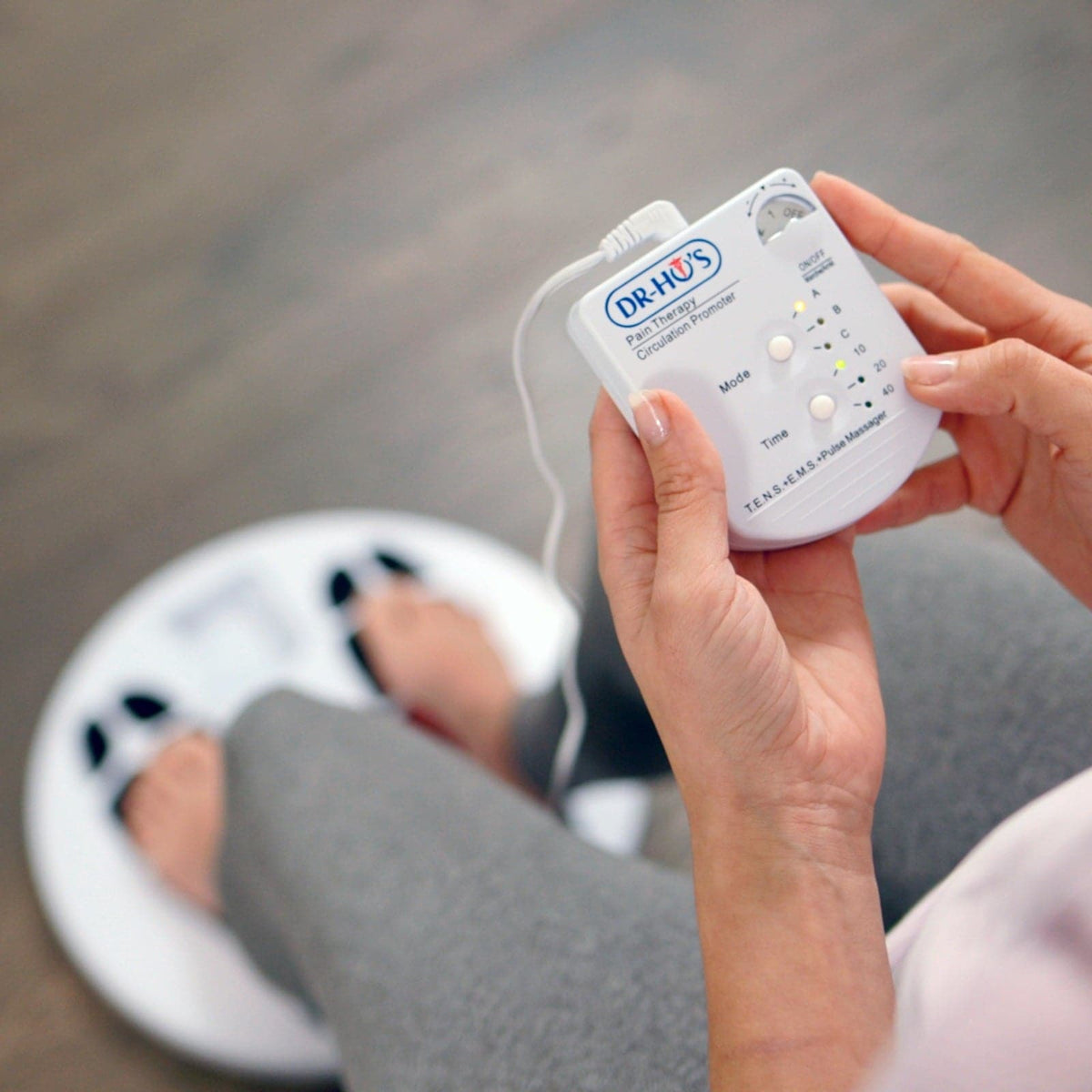
The DR-HO'S Circulation Promoter is a home electrotherapy device specifically designed to promote lower limb blood circulation. It uses Dr. Michael Ho's patented AMP technology, combining EMS (Electrical Muscle Stimulation) and TENS (Transcutaneous Electrical Nerve Stimulation). Users simply step barefoot onto the electrode pads for 20-30 minutes daily to effectively:
- Promote blood circulation in the feet and calves
- Relieve leg swelling, numbness, and coldness
- Relax tight leg muscles
- Reduce pain caused by poor circulation
DR-HO'S Circulation Promoter Pro (CPP): Comprehensive Solution
For users with severe circulatory problems or multi-site pain, the DR-HO'S Circulation Promoter Pro (CPP) is upgraded with TENS + EMS + NMES triple therapy, featuring 6 treatment modes, dual independent ports (to treat both feet simultaneously), and an included special knee brace accessory. The CPP is particularly suitable for patients with multi-site problems such as poor blood circulation + knee pain + lower back pain.
Better Results with Low-Impact Exercise
Electrotherapy should not completely replace exercise. The ideal solution is a combination of both. The DR-HO'S MotionCiser provides low-impact passive leg exercise, allowing you to train your calf muscles while seated, which is especially suitable for the elderly or those with limited mobility. Used in conjunction with electrotherapy, it offers a comprehensive approach to promoting lower limb circulation, combining both static and dynamic elements.
Real User Share: Ms. Chan (64, retired nurse, Tsuen Wan): "After I retired, my activity level significantly decreased, and my feet were always cold and swollen. Later, I used DR-HO'S Circulation Promoter for 20 minutes every evening while watching TV, and after about two weeks, I felt my feet were not as cold, and the swelling had reduced a lot. Now I use it every day, like a spa for my feet."
Dietary Recommendations for Improving Blood Circulation
Food can also help improve blood circulation. The following ingredients have clinical research support for their circulation-promoting effects:
| Ingredient | Active Ingredient | Circulation-Promoting Mechanism | Suggested Intake |
|---|---|---|---|
| Ginger | Gingerols | Dilates blood vessels, promotes peripheral circulation | Ginger tea, added to soups |
| Garlic | Allicin | Lowers blood lipids, prevents arteriosclerosis | 1-2 cloves of raw garlic daily |
| Chili Peppers | Capsaicin | Promotes vasodilation, speeds up metabolism | Moderate amount for seasoning daily |
| Dark Berries | Anthocyanins | Protects blood vessel walls, antioxidant | A cup of blueberries, blackberries daily |
| Deep-Sea Fish | Omega-3 Fatty Acids | Reduces blood viscosity, anti-inflammatory | Salmon, sardines twice a week |
| Dark Chocolate | Flavanols | Promotes nitric oxide production, dilates blood vessels | 70%+ cocoa content, 20g daily |
At the same time, reduce intake of: high-sodium foods (processed foods, canned goods), trans fats (fried foods, pastries), and excessive alcohol. Adequate water intake (1.5-2 liters daily) is also crucial for maintaining blood fluidity.
High-Risk Groups and Precautions
The following groups are particularly prone to poor blood circulation and require more active prevention and management:
- Elderly over 50: Natural decline in vascular elasticity, coupled with reduced activity
- Diabetic patients: Dual damage to blood vessels and nerves, especially poor circulation in the feet
- Long-term smokers: Blood vessel constriction and inner wall damage
- Office workers who sit for long periods: Office workers who sit for more than 8 hours a day
- Pregnant women: Hormonal changes and uterine pressure on lower limb veins
- Obese individuals: Increased burden on the heart and blood vessel pressure due to weight gain
- People with a family history: Direct relatives with peripheral vascular disease or varicose veins
For these high-risk groups, it is recommended to: undergo a vascular health check-up once a year (Ankle-Brachial Index ABI test), maintain regular exercise, control blood sugar and blood pressure, quit smoking, and consider using electrotherapy devices as a daily circulation maintenance tool. If you frequently experience limb pain, using the TENS function of the Dr. HO'S Pain Therapy System for a long time can help relieve discomfort.
⭐ 20 MINUTES DAILY TO IMPROVE LOWER LIMB CIRCULATION ⭐
DR-HO'S Circulation Promoter
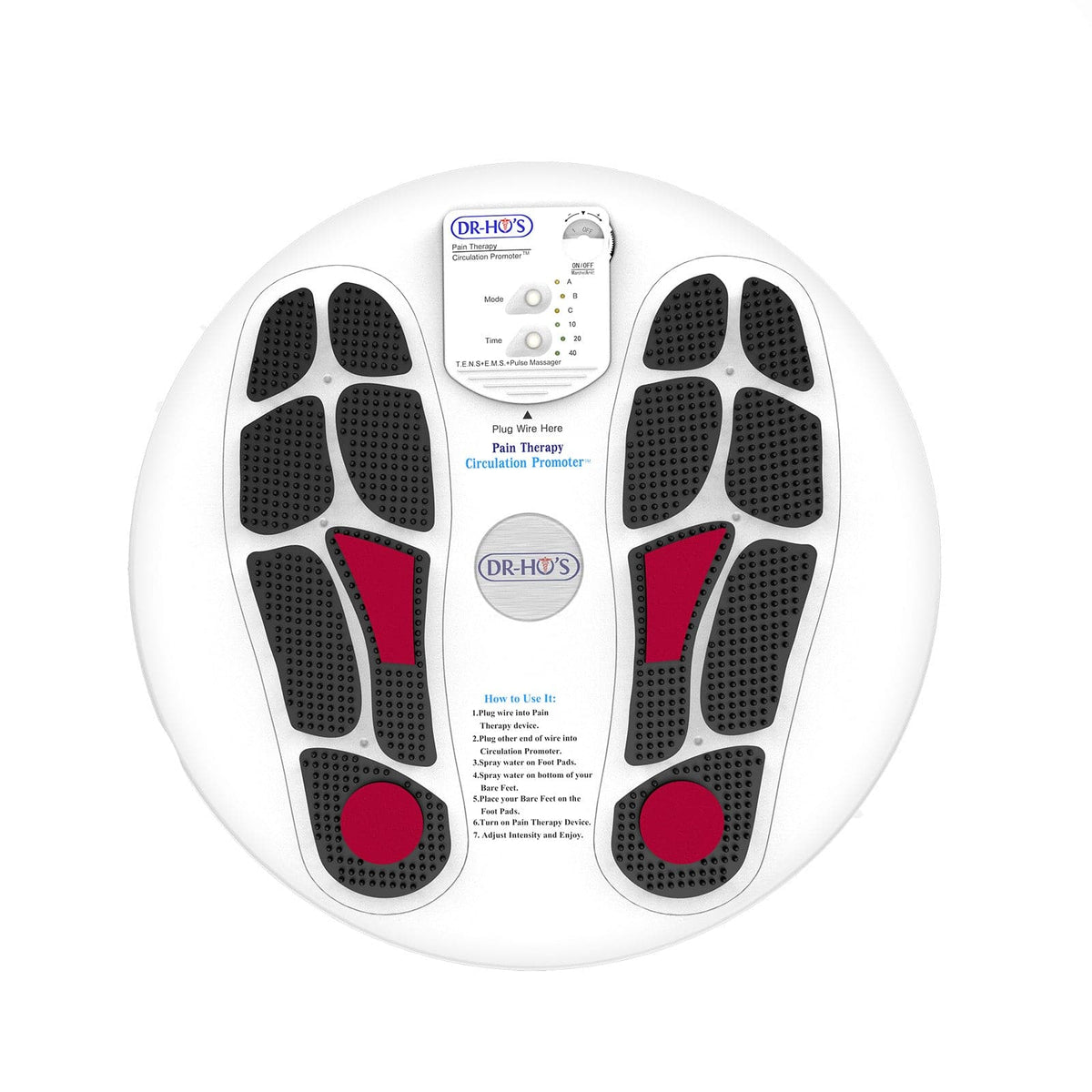
✅ AMP Patented Technology: 30 years of research by Dr. Michael Ho
✅ Designed for Lower Limb Circulation: Feet → Calves → Knees
✅ EMS + TENS Dual Effect: Promotes circulation + relieves pain
✅ Can be used while sitting: Treat while watching TV
✅ Suitable for the elderly: Simple operation, safe and reliable
Hong Kong Official | 1 Year Warranty | Free Shipping
Blood Circulation FAQs
Q1: Which doctor should I see for poor blood circulation?
Generally, you can first consult a family doctor for an initial assessment. If peripheral arterial disease (PAD) or varicose veins are suspected, you will be referred to a vascular surgeon or cardiologist. Circulatory problems caused by diabetes should be seen by an endocrinologist.
Q2: Is hot foot bathing really effective in improving blood circulation?
It has some effect. Warm water can dilate local blood vessels and promote circulation in the feet. However, the effect is temporary, and blood vessels will gradually return to their original state after soaking. To achieve lasting improvement in circulation, it needs to be combined with regular exercise and other methods. The water temperature should not exceed 42°C, and the soaking time should be controlled at 15-20 minutes.
Q3: How long should compression stockings be worn? Can I wear them to sleep?
It is generally recommended to wear them during daytime activities (put them on after waking up and take them off before going to bed), as standing and sitting are when assistance for venous return is most needed. While sleeping, since the body is lying flat, blood return is already relatively easy, and it is generally not recommended to wear them to sleep unless specifically advised by a doctor.
Q4: What supplements can improve blood circulation?
Common ones include: Fish oil (Omega-3) to reduce blood viscosity, Ginkgo biloba extract to dilate peripheral blood vessels, and Coenzyme Q10 to protect blood vessels. However, the effect of supplements varies from person to person and cannot replace regular treatment. If you are taking blood thinners (such as warfarin), you must consult your doctor before adding supplements to avoid interactions.
Q5: Is electrotherapy really effective for blood circulation?
There is clinical research to support it. EMS (Electrical Muscle Stimulation) can actively trigger calf muscle contractions, mimicking the pumping effect of walking, and promoting venous blood return. It is particularly valuable for individuals with limited mobility, those who are bedridden for long periods, or those who sit for extended periods, as they cannot achieve sufficient muscle pumping through their own exercise. The AMP patented technology of the DR-HO'S Circulation Promoter is designed based on this principle.
Q6: What is the relationship between poor blood circulation and varicose veins?
Varicose veins are one of the common consequences of poor blood circulation. When the valves in the lower limb veins weaken, blood refluxes and stagnates, causing the veins to dilate and deform, forming visible "worm-like" blood vessels. Early varicose veins can be improved through compression stockings, exercise, and elevating the legs; severe cases may require surgery or sclerotherapy.
Q7: At what age should I start paying attention to blood circulation problems?
Theoretically, circulatory problems can occur at any age, but the risk significantly increases from 40 years old onwards. If you have risk factors such as diabetes, high blood pressure, or smoking, you should start paying attention earlier. It is recommended to have a basic vascular assessment once a year after age 40, and consider incorporating daily circulatory maintenance (such as electrotherapy, compression stockings, etc.) after age 50.
Q8: How to prevent blood circulation problems during long flights?
Long-haul flights (>4 hours) increase the risk of deep vein thrombosis (DVT). Recommendations: get up and walk every 1-2 hours, do ankle rotations and toe stretches while seated, wear compression stockings, drink plenty of water, and avoid alcohol and sleeping pills. High-risk individuals (with a history of DVT, recent surgery, pregnancy) should consult a doctor before flying.
Conclusion: Start Improving Your Blood Circulation Today
Blood circulation is the foundation of overall health—good circulation means nutrients and oxygen can be effectively delivered to every cell; poor circulation leads to various pains and diseases. The good news is that most circulatory problems can be improved through lifestyle adjustments: getting up and moving every hour, regular aerobic exercise, healthy eating, and quitting smoking.
For those who need extra help – seniors, people with mobility issues, and those with sedentary jobs – home electrical therapy devices offer a practical assistive solution. Just 20 minutes of daily electrical therapy can help you actively promote circulation in a comfortable environment, without intense exercise.
Start your daily 20-minute lower limb circulation care today
👉 Learn more about DR-HO'S Circulation PromoterDisclaimer: This article is for health information purposes only and does not constitute any medical diagnosis or treatment advice. If you have severe blood circulation problems, please consult a doctor or vascular surgeon.