

Foot Pain? 7 Common Causes and Relief Methods [The Complete Guide 2026]
⚕️ Medical Disclaimer: This article was written by the DR-HO'S health editorial team and reviewed by strong> Dr. Michael Ho (D.C., Canadian Chiropractor, Founder of DR-HO'S). The content is for general health education and informational purposes only, and does not constitute medical diagnosis, treatment, or prescription advice. If you experience persistent pain, discomfort, or have health concerns, please consult a registered doctor, physical therapist, or qualified healthcare professional. In case of emergency, please call 999 immediately or go to the nearest emergency room.
🔗 Explore DR-HO'S Health Knowledge Hub
Toe pain is a common problem for many Hongkongers—perhaps waking up to find a swollen and painful big toe (hallux), or experiencing sharp pain in a toe joint while walking, or even having numb and painful toes from wearing new shoes. According to clinical data from the Hong Kong Orthopaedic Association, approximately 20% of adults have sought medical attention for toe pain, and nearly half of these cases are related to improper footwear choices, bunions, or gout. This comprehensive guide will help you understand the 7 most common causes of toe pain, what different toe pain locations indicate, home relief methods, electrotherapy assistance, and when to seek medical help. After reading this, you should have a clearer understanding of your toe issues and find appropriate treatment methods.
📑 Table of Contents
- 7 Common Causes of Toe Pain
- What do different toe pain locations indicate?
- 5 Home Relief Methods
- Electrotherapy Assistance: Promoting Blood Circulation and Accelerating Recovery
- Footwear Selection: Key to Preventing Toe Pain
- When to See a Doctor?
- 6 Daily Habits to Prevent Toe Pain
- Toe Pain FAQ
- Conclusion: Start Caring for Your Toes Today
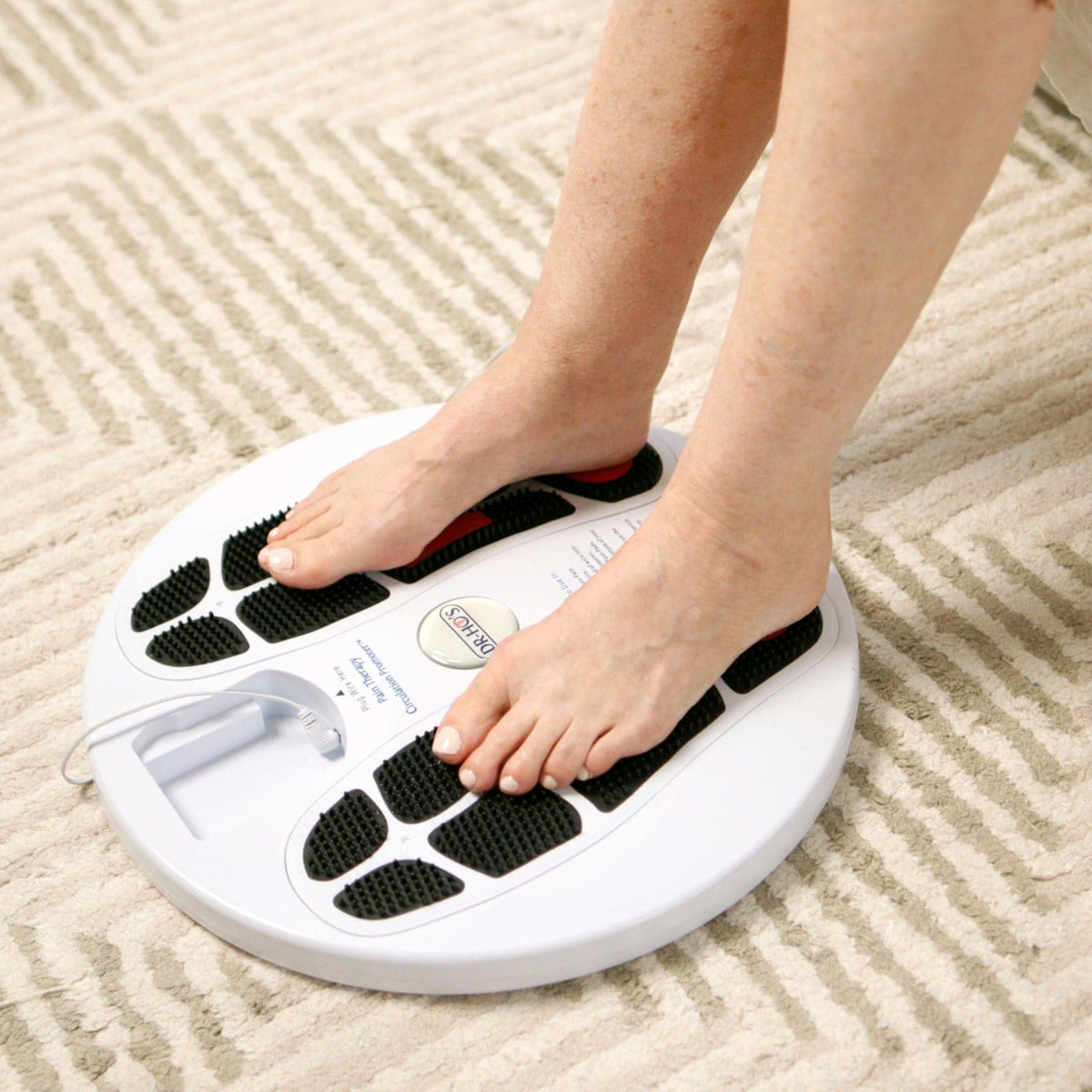
7 Common Causes of Toe Pain
Although toes are small, they bear the entire weight of the human body. On average, with each step, the big toe can bear up to 1.5 times the body's weight. Once pain appears, it signals a warning from the body. To address toe pain, the first step is to understand its cause. Below are the 7 most common clinical causes.
1. Bunion (Hallux Valgus)
A bunion refers to the condition where the big toe (hallux) deviates towards the other toes, causing the big toe joint to protrude outwards, forming what is commonly known as a "bunion". This is the most common cause of chronic toe pain, especially prevalent in women aged middle-aged and older, accounting for approximately 23% of all toe pain cases. Causes include genetics, prolonged wearing of narrow-toed high heels, and flat feet. Early stages only involve cosmetic changes, but as the condition progresses, the big toe joint will experience persistent pain, inflammation, and even affect walking.
2. Gout
Gout is an acute inflammatory condition caused by the deposition of uric acid crystals in the joints, most commonly affecting the metatarsophalangeal joint of the big toe (accounting for over 50% of gout attacks). During an attack, the toe will suddenly become red, swollen, hot, and painful, with the pain being so severe that even a light touch from a bedsheet is unbearable. Gout patients in Hong Kong have shown a trend of younger onset in recent years, which is associated with high-purine diets (e.g., seafood, organ meats, beer), obesity, and metabolic syndrome.
3. Ingrown Toenail / Paronychia
An ingrown toenail refers to a toenail growing into the surrounding flesh, most commonly affecting the big toe. The main causes are incorrect toenail trimming (cutting too round or too short), pressure from narrow-toed shoes, or toenail injury. In the initial stage, there is only swelling and pain; if bacterial infection occurs, it will develop into paronychia, with symptoms such as pus discharge and redness.
4. Arthritis
Degenerative arthritis or rheumatoid arthritis can both affect the toe joints. Degenerative arthritis is common in people over 50, presenting as morning stiffness in the toes that improves slightly after activity; rheumatoid arthritis is an abnormal attack by the immune system on the joints, usually appearing symmetrically (i.e., affecting both feet simultaneously).
5. Morton's Neuroma
Morton's neuroma is a thickening of the nerve tissue between the toes due to compression, most commonly occurring between the third and fourth toes. Typical symptoms include a sensation of "walking on a pebble" in the ball of the foot, accompanied by burning or numbness. High heels, pointed-toe shoes, and prolonged standing increase the risk.
6. Sports Injury
Sports involving sudden stops or collisions such as running, basketball, and soccer can lead to toe fractures, ligament sprains, or toe contusions. Common examples include "runner's toe" (bruising under the toenail from running) and "turf toe" (hyperextension injury of the big toe). For more information on sports injury treatment, please refer to our Complete Guide to Muscle Strain Treatment and Recovery.
7. Corns and Calluses
Corns and calluses are protective responses of the skin to repeated friction or pressure. Corns usually appear on the top or between the toes, causing sharp pain when pressed; calluses are larger areas of thickened skin, commonly seen on the ball of the foot or the heel. Ill-fitting footwear is the most common cause.
Note: If toe pain persists for more than 2 weeks, is accompanied by fever, inability to bear weight, or obvious deformity, seek immediate medical attention. Do not attempt to self-treat.
What do different toe pain locations indicate?
The location of toe pain itself is an important clue that can help you initially determine the possible cause. Below are common correlations between pain locations and typical issues.
| Pain Location | Common Causes | Typical Symptoms |
|---|---|---|
| Big Toe (Hallux) | Gout, bunions, ingrown toenail | Redness, swelling, joint protrusion, severe stabbing pain |
| Second Toe | Hammer toe, compensatory pressure from bunion | Toe joint bending deformity, callus on top of toe |
| Between Third and Fourth Toes | Morton's Neuroma | "Walking on a pebble" sensation, burning, numbness |
| Pinky Toe (Little Toe) | Tailor's bunion, shoe friction, corn | Outward protrusion, redness, swelling, callus |
| All Toes (Symmetrical) | Rheumatoid arthritis, diabetic neuropathy | Morning stiffness, bilateral symmetry, numbness, tingling |
| Ball of Foot (Base of Toes) | Metatarsalgia, flat feet, overuse | Worsens after prolonged standing, aching, fullness |
Toe pain often occurs simultaneously with heel pain and sole pain, as the entire foot is a complete mechanical system. To fully understand foot pain, it is recommended to also read the Complete Guide to Heel Pain and Sole Pain Relief.
5 Home Relief Methods
Most mild to moderate toe pain can initially be relieved through home methods. The following 5 methods are safe and effective, and can be performed at home at any time.
Method 1: Ice or Heat Pack (depending on pain type)
For acute swelling (e.g., bruising, gout attack, sports injury), use an ice pack for 15-20 minutes at a time, repeating every 2 hours. For chronic stiffness (e.g., degenerative arthritis, long-term bunions), use a heat pack to promote blood circulation. For detailed instructions, please refer to our Hot or Cold Therapy? Correct Usage Guide.
Method 2: Toe Stretching Exercises
Spend 5-10 minutes daily doing toe stretches to improve flexibility and reduce joint pressure.
- Toe towel scrunch: Sit on a chair and use your toes to pick up a towel on the floor, hold for 5 seconds, then relax. Repeat 10 times.
- Toe spreading exercise: Try to spread your 5 toes as wide as possible, hold for 5 seconds, repeat 10 times. This strengthens the intrinsic toe muscles.
- Big toe stretch: Gently pull your big toe up and down with your hand, holding each direction for 10 seconds, repeat 5 times. This is especially suitable for the early stages of bunions.
Method 3: Warm Foot Soak
Soaking your feet in warm water (38-40°C) for 15-20 minutes can relax foot muscles and promote blood circulation. Adding a small amount of Epsom salt can enhance the effect. Note: Diabetic patients should consult a doctor first, as reduced temperature sensation can easily lead to burns.
Method 4: Foot and Toe Massage
Use your thumbs to massage the sole of your foot and each toe joint in circles for 30 seconds per spot. Massage can relax the plantar fascia and promote blood circulation. Using massage oil or menthol balm can enhance the effect.
Method 5: Wear Appropriate Footwear
This is the most overlooked yet most important step—incorrect footwear is the culprit for most toe pain. The importance of choosing the right shoes even outweighs all other relief methods. Detailed footwear selection will be discussed in the following section.
Electrotherapy Assistance: Promoting Blood Circulation and Accelerating Recovery
For chronic or recurrent toe pain (e.g., recovery after gout, bunions combined with poor circulation, degenerative arthritis, pre-diabetic toe numbness), ice and heat packs and stretching alone may not be sufficient. In recent years, more and more Hongkongers are choosing to use home electrotherapy devices as an辅助方案, as electrotherapy can actively promote blood circulation in the feet, relax muscles, and relieve pain.
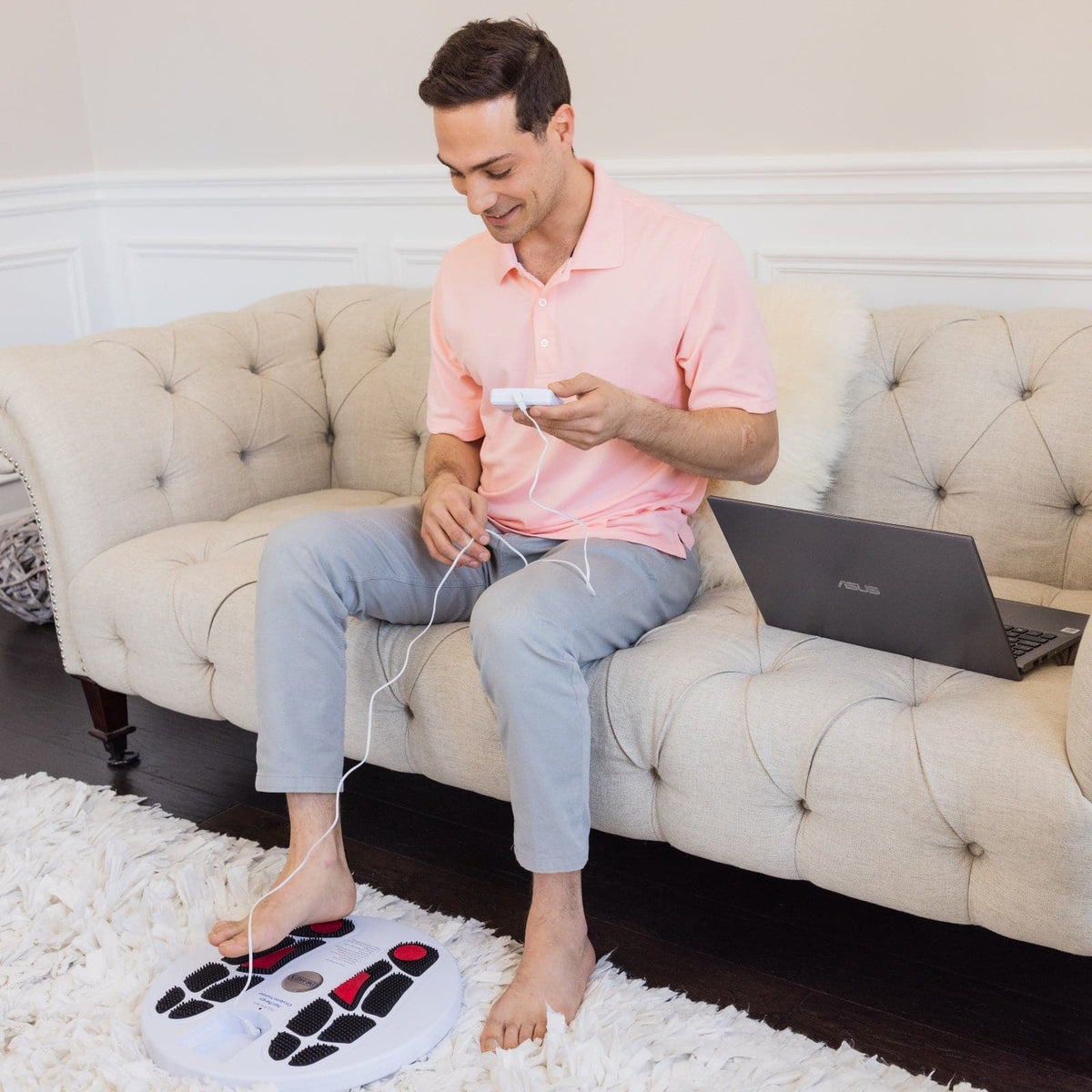
DR-HO'S Circulation Promoter (CP): Entry-level Choice
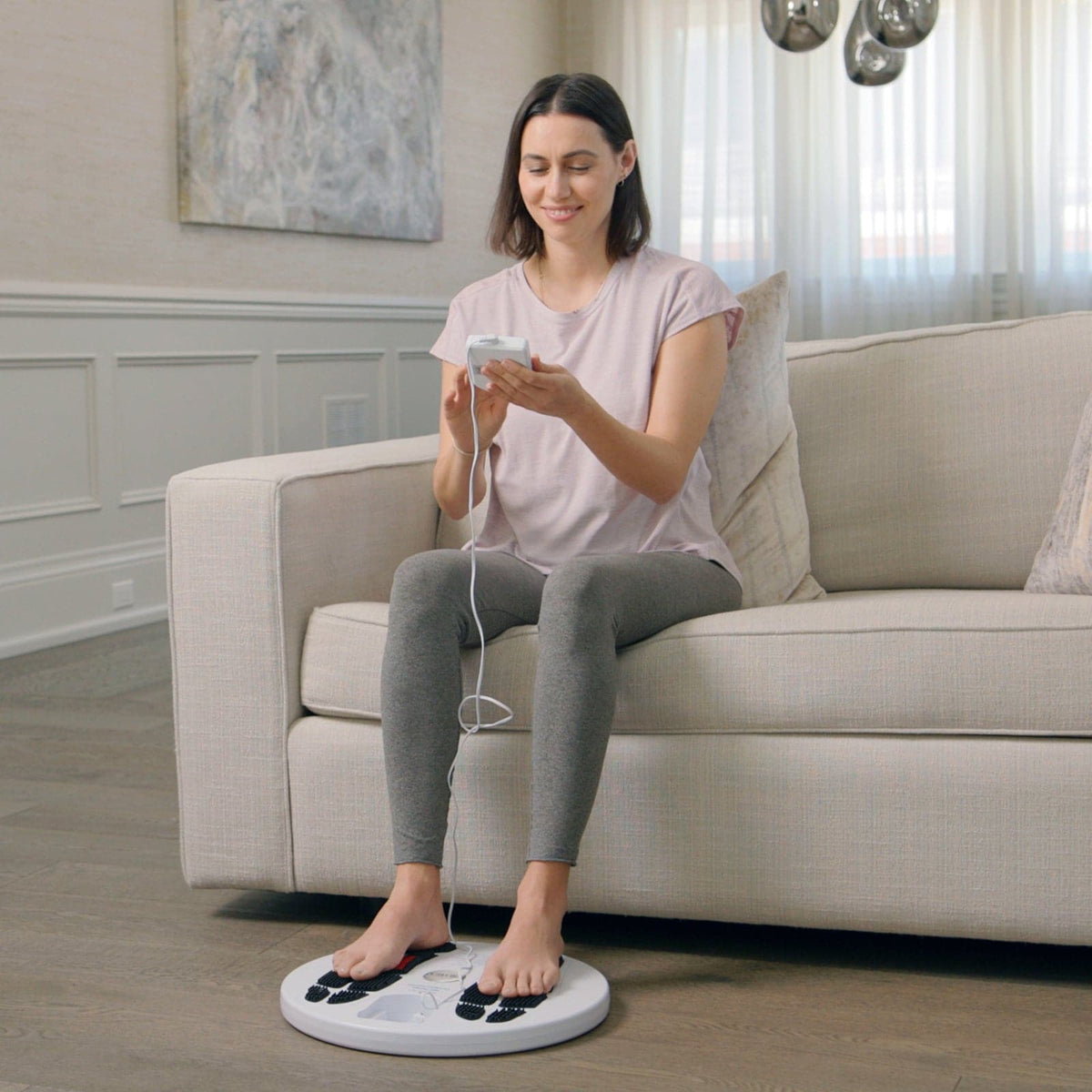
DR-HO'S Circulation Promoter is a home electrotherapy device designed for lower limb blood circulation, utilizing Dr. Michael Ho's patented AMP (Auriculo-Muscular Pathway) technology, combining EMS (Electrical Muscle Stimulation) and TENS (Transcutaneous Electrical Nerve Stimulation) dual therapy. Users simply step barefoot onto the electrode pads for 20-30 minutes daily to effectively relieve toe, foot, and calf pain, and improve lower limb swelling and numbness. For first-time electrotherapy users or those primarily dealing with basic foot pain, the CP is a suitable entry-level choice.
DR-HO'S Professional Circulation Promoter (CPP): Advanced Solution
For users with severe, long-term, or multi-site pain, the DR-HO'S Professional Circulation Promoter (CPP) upgrades to AMP + TENS + EMS + NMES (Neuromuscular Electrical Stimulation) triple therapy, featuring 6 treatment modes, dual independent ports (can treat both feet simultaneously), and includes a dedicated knee brace accessory, extending the electrotherapy range to the knees and calves. It is particularly suitable for:
- Elderly individuals with long-term bunions combined with poor lower limb circulation
- Patients with recurrent gout attacks who wish to accelerate tissue repair
- Individuals with pre-diabetes experiencing toe numbness and coldness (consult a doctor before use)
- Patients with multi-site pain including toe pain + knee pain + back pain
CP vs CPP: Which to choose?
| Comparison Item | DR-HO'S Circulation Promoter (CP) | DR-HO'S Professional Circulation Promoter (CPP) |
|---|---|---|
| Electrotherapy Technology | AMP + EMS + TENS | AMP + TENS + EMS + NMES |
| Treatment Modes | Basic mode | 6 treatment modes |
| Simultaneous Use | Single output | Dual independent ports |
| Accessories | Electrode pads | Electrode pads + knee brace |
| Suitable for | Beginners, simple foot pain | Severe, multi-site, long-term use |
If you mainly deal with mild to moderate toe and sole pain, the CP is sufficient; if toe pain is accompanied by knee, back, or recurrent issues, the CPP is recommended. Additionally, the DR-HO'S MotionCiser provides low-impact passive exercise, suitable for individuals with limited mobility or those who want to combine electrotherapy with leg activity. For users who need to perform localized TENS electrotherapy directly on toe joints, consider the Dr. HO'S Pain Therapy System—it features a 4-pad design, allowing electrodes to be directly placed on bunions or specific joint pain points for targeted treatment.
Footwear Selection: Key to Preventing Toe Pain
Clinical experience tells us that over 60% of toe pain cases are directly related to improper footwear choices. The importance of choosing the right shoes even outweighs all relief methods. Here are 5 key points for shoe selection.
Key 1: Wide Toe Box
The front part of the shoe (toe box) should have enough lateral space for toes to spread naturally. Ideally: there should be a finger's width of space (about 1-1.5cm) between the longest toe and the tip of the shoe, and all 5 toes should be able to spread parallel without feeling squeezed.
Key 2: Avoid excessively high heels
For every 2.5cm increase in heel height, the pressure on the forefoot increases by approximately 25%. Prolonged wearing of high heels is one of the main causes of bunions and Morton's neuroma. It is recommended that daily heel height be no more than 3cm, and high heels should only be worn for limited periods on special occasions.
Key 3: Arch Support
People with flat feet or high arches are prone to compensatory stress on their toes. Choose shoes with built-in arch support or those that can accommodate orthotic insoles to effectively distribute pressure.
Key 4: Cushioned Soles
Hard-soled shoes transfer road impact directly to the forefoot and toes. It is recommended to choose shoes with EVA midsoles or other cushioning materials, especially for those who stand or walk for long periods.
Key 5: Shoe Fitting Time and Socks
It is best to try on shoes in the afternoon or evening, as feet tend to swell slightly after a day's activity, ensuring the most accurate sizing. When trying on shoes, wear the type of socks you would normally wear, not thin stockings, to avoid buying shoes that are too small.
When to See a Doctor?
Most toe pain can be managed with home care, but if any of the following situations occur, consult a doctor or podiatrist as soon as possible:
- Toe obvious deformity (e.g., severe bunion, hammer toe) affecting walking
- Severe pain that persists for more than 2 weeks without improvement
- Toe redness, swelling, heat, and pain accompanied by fever (may indicate infection or acute gout)
- Inability to bear weight or noticeable limping
- Toe numbness, coldness, discoloration (purplish-black warns of circulatory problems, especially for diabetic patients)
- Toenail pus, bleeding (paronychia infection)
- Suspected fracture after a sports injury
It is worth noting that toe problems in diabetic patients require special attention, as neuropathy may prevent you from feeling pain, and minor injuries can lead to severe infections or even amputation risk.
6 Daily Habits to Prevent Toe Pain
Prevention is better than cure. The following 6 daily habits can significantly reduce the incidence of toe pain:
- Trim toenails correctly: Cut straight across, not curved, and keep the length even with the tip of the toe, avoiding cutting too short or too deep. This is the most important step in preventing ingrown toenails.
- Inspect feet daily: Especially for diabetic patients, check your feet every night when washing for any wounds, redness, blisters, etc.
- Control diet: Gout patients should limit high-purine foods (seafood, organ meats, beer) and drink plenty of water to promote uric acid excretion.
- Maintain a healthy weight: For every 1 kg of excess weight, the feet bear an additional several kilograms of pressure. Weight loss is the cheapest and most effective preventive method.
- Regular toe exercises: 5 minutes of toe stretches daily can maintain joint flexibility and prevent bunions from worsening.
- Alternate different shoes: Do not wear the same pair of shoes every day. Have 2-3 pairs of shoes to alternate, which can reduce continuous stress on the same pressure points.
⭐ DR-HO'S Professional Foot Pain Solution ⭐
DR-HO'S Circulation Promoter
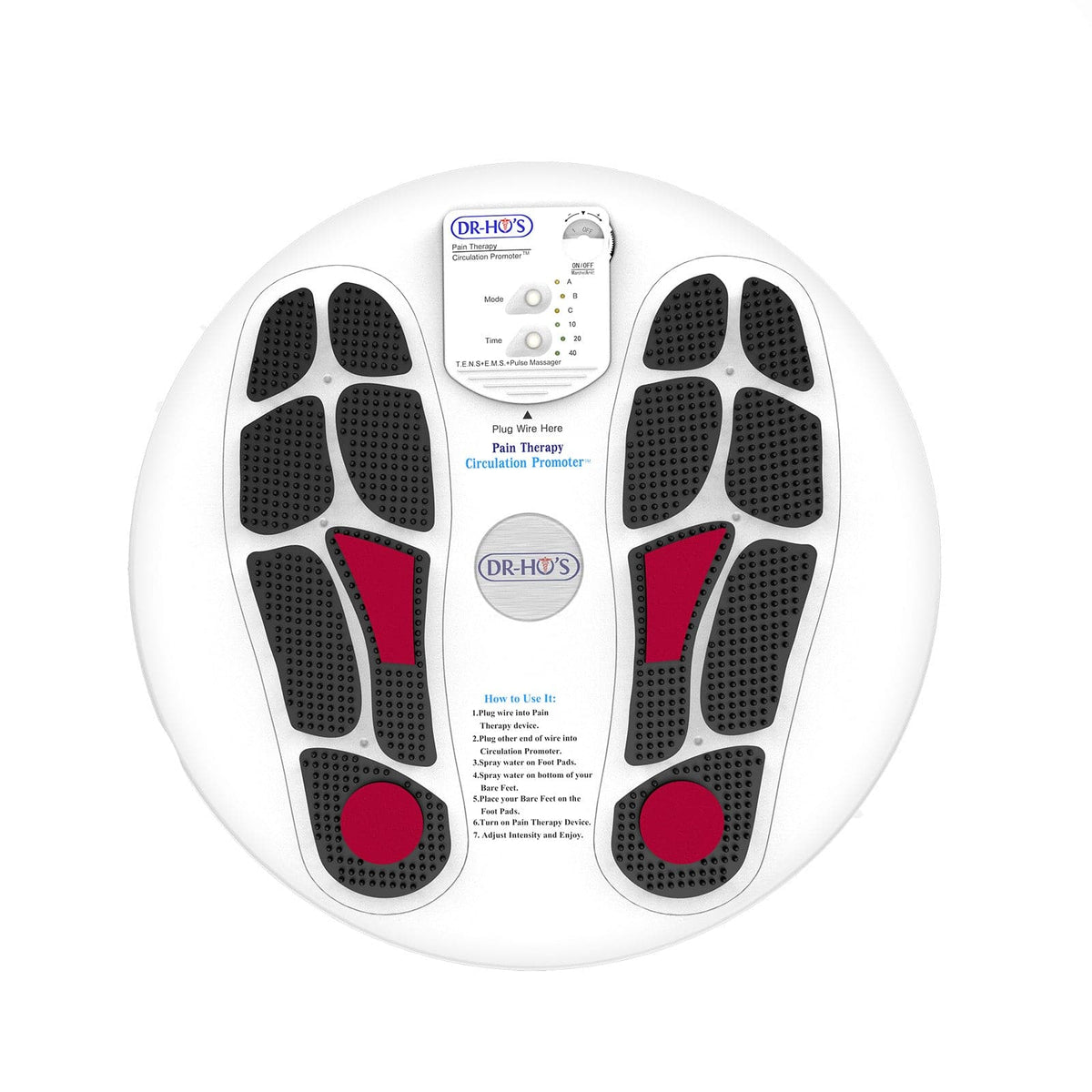
✅ AMP patented technology: Developed by Dr. Michael Ho, 30 years of clinical validation
✅ Targets lower limb pain: Toes, feet, calves, knees
✅ Promotes blood circulation: Relieves foot swelling, numbness, coldness
✅ Drug-free pain relief: Safe with no side effects, suitable for long-term use
✅ 20 minutes daily: Treat while watching TV at home
Hong Kong Official | One-Year Warranty | Free Shipping
Toe Pain: Frequently Asked Questions
Below are the most common questions related to toe pain asked by readers in Hong Kong.
Q1: Which specialist should I see for toe pain?
Generally, an orthopedic doctor can address most toe problems, including bunions, ingrown toenails, and arthritis. If gout is suspected, you can see a rheumatologist or an internist; for issues related to diabetic foot, an endocrinologist or a podiatrist should be consulted. Severe ingrown toenails may require treatment from a dermatologist or a foot specialist.
Q2: Can bunions be corrected on their own?
Early-stage bunions can be slowed down through non-surgical methods such as toe straighteners, wide-toed shoes, and toe stretching exercises, but bone deformities that have already formed cannot be corrected on their own. Moderate to severe cases usually require orthopedic surgery. It is recommended to address them proactively when discovered early to prevent further worsening.
Q3: Should I apply ice or heat when a gout attack occurs?
During an acute gout attack, you should apply ice, as ice can constrict blood vessels, reduce swelling and severe pain. Apply for 15-20 minutes each time, wrapping the ice pack in a towel to avoid frostbite. Heat application is only suitable for chronic joint stiffness; applying heat during an acute gout attack will worsen inflammation.
Q4: What causes toe numbness?
Common causes of toe numbness include: shoes that are too tight compressing nerves, diabetic peripheral neuropathy, lumbar nerve compression (e.g., herniated disc), Morton's neuroma, and poor blood circulation. If numbness persists or is accompanied by other symptoms (e.g., muscle weakness, back pain), you should seek medical attention immediately.
Q5: Do children also experience toe pain?
Yes, but the causes differ from adults. The most common causes of toe pain in children are shoes that are too small (shoe size changes rapidly during growth), sports sprains, and ingrown toenails. Occasionally, juvenile idiopathic arthritis can also occur. Since children's bones are still developing, parents should seek advice from a pediatrician or pediatric orthopedist if they notice any toe problems in their children.
Q6: Can DR-HO'S TENS device be placed directly on the toes?
DR-HO'S Circulation Promoter is designed for users to step barefoot onto the electrode pads, which transmit electrical therapy signals through the meridians and nerves in the soles of the feet to the entire foot (including the toes). Therefore, there is no need to place electrode pads directly on the toes; you simply need to sit comfortably and place your bare feet on the device. For acute severe toe injuries (e.g., fractures, open wounds), do not use the device.
Q7: How many times a day should I use the TENS device?
It is generally recommended to use it 1-2 times a day, for 20-30 minutes each time. Excessive use may lead to muscle fatigue. First-time users are advised to start with low intensity and a shorter duration (10-15 minutes), gradually increasing the duration after the body adapts. Individuals with pacemakers, severe heart conditions, who are pregnant, or have concerns before use, should consult a doctor first.
Q8: Is the TENS device effective for toe pain in diabetic patients?
For patients with pre-diabetes or early neuropathy (mild toe numbness, coldness), electrical therapy can promote blood circulation in the lower limbs and improve nerve conduction, providing a certain auxiliary effect. However, patients with diabetic foot ulcers, infections, or severe neuropathy are not recommended for self-use and must consult an endocrinologist or podiatrist first.
Conclusion: Start caring for your toes today
Toe pain is a seemingly minor issue that can have a profound impact—aching toes can make you hesitate with every step, ultimately affecting the quality of your entire day's activities. The key is to identify the cause early and address it specifically. Mild bunions can be alleviated through wide-toed shoes and corrective exercises; gout can be managed through diet control and medication; ingrown toenails require attention to nail trimming techniques; nerve compression may require considering footwear and foot structure.
Regardless of the type of toe pain, continuous home care is the foundation of recovery. Combining correct footwear, stretching exercises, hot and cold compresses, and electrical therapy to promote blood circulation can significantly alleviate pain and prevent worsening. Want to upgrade from passive icing to active electrical therapy care?
Start your daily 20-minute foot electrical therapy care now
👉 Learn about DR-HO'S Circulation PromoterAt the same time, toe pain is often related to the overall health of the lower limbs. It is recommended to also read the Knee Support Recommendations and Complete Guide to Knee Protection and Complete Guide to Heel and Foot Arch Pain Relief to build comprehensive knowledge of lower limb care from toes to knees.
Disclaimer: This article is for health information reference only and does not constitute any medical diagnosis or treatment advice. For severe toe problems, please consult a doctor, orthopedic specialist, or podiatrist.