

Heel pain, sole pain: What to do? 7 Causes and 5 Relief Methods [2026 Complete Guide]
⚕️ Medical Disclaimer: This article was written by the DR-HO'S health editorial team and reviewed by Dr. Michael Ho (D.C., Canadian Chiropractor, Founder of DR-HO'S). The content is for general health education and information reference only, and does not constitute medical diagnosis, treatment, or prescription advice. If you experience persistent pain, discomfort, or have health concerns, please consult a registered doctor, physical therapist, or qualified medical professional. In emergencies, please call 999 immediately or go to the nearest emergency room.
🔗 Explore DR-HO'S Health Knowledge Hub
Walking thousands of steps daily, our feet bear the weight of our entire body. When heel pain or sole pain occurs, every step can become agony. According to research data from the Chinese University of Hong Kong's sports medicine department, approximately 10% of Hong Kong adults will experience foot pain issues such as plantar fasciitis at some point in their lives (Source: Hong Kong Journal of Orthopaedic Research, 2024). This guide will comprehensively break down the causes of foot pain, the problems indicated by specific sole pain locations, and validated solutions for heel pain, helping you find the right pain relief for your feet.

What are Heel Pain and Sole Pain? Common Definitions
Heel pain refers to pain felt in the heel area, usually most noticeable when first stepping out of bed in the morning. It may subside slightly after a few steps but re-intensifies after prolonged standing or walking. Sole pain encompasses a broader area of discomfort on the bottom of the foot, including the arch, mid-sole, and ball of the foot.
📑 Table of Contents
Ball of foot pain also troubles many Hong Kong people, especially office workers who frequently wear high heels or hard-soled leather shoes. These foot pains may seem minor, but if not addressed promptly, they can affect gait and subsequently lead to linked problems in the knee joints, lumbar spine, and other areas.
Foot Pain Location Map: What Do Different Sole Pain Locations Indicate?
By identifying the specific location of sole pain, it is possible to make an initial assessment of the potential cause. Understanding where your foot pain is located is the first step towards finding the correct solution.
| Foot Pain Location | Common Causes | Pain Characteristics | High-Risk Groups |
|---|---|---|---|
| Bottom of Heel | Plantar Fasciitis, Heel Spurs | Sharp pain upon waking, slightly relieved after activity | Over 40, overweight individuals |
| Middle of Sole | Collapsed arch, Flat feet | Aching after prolonged standing, walking fatigue | Those who stand for long periods for work |
| Ball of Foot | Metatarsalgia, Morton's Neuroma | Burning pain in forefoot, numbness | High-heel wearers |
| Side of Heel | Achilles Tendinitis, Bursitis | Swelling and tenderness around the heel | Athletes |
| Arch of Foot | Posterior Tibial Tendon Dysfunction | Pain from collapsed inner arch | Middle-aged women |
Gentle Reminder: The above is general reference. Accurate diagnosis requires clinical examination by a podiatrist or orthopaedic specialist.
Causes of Heel Pain: 7 Major Culprits Explained
Heel pain can be caused by a variety of factors. The following 7 major causes of foot pain are the most common among patients in Hong Kong.
1. Plantar Fasciitis — The Most Common Cause of Sole Pain
Plantar fasciitis is the number one cause of heel and sole pain, accounting for approximately 80% of all heel pain cases (Source: American Academy of Orthopaedic Surgeons, 2023). The plantar fascia is a tough band of fibrous tissue that connects the heel to the toes. When it is overstretched or micro-torn, it can lead to inflammation and pain.
Typical symptoms:
- Sharp heel pain when stepping out of bed in the morning
- First few steps after sitting for a long time are particularly painful
- Pain intensifies after prolonged walking
2. Heel Spurs
Heel spurs are abnormal calcium deposits on the underside of the heel bone, commonly seen in patients with long-term plantar fasciitis. It's important to note that the spur itself may not directly cause pain; rather, it's the accompanying soft tissue inflammation that is the cause of heel pain.
3. Achilles Tendinitis
The Achilles tendon connects the calf muscles to the heel bone. Overuse or a sudden increase in activity can lead to inflammation of the Achilles tendon. Runners and ball sports athletes are at high risk.
4. Metatarsalgia — A Primary Cause of Ball of Foot Pain
Metatarsalgia is the most common cause of ball of foot pain, with pain concentrated at the metatarsal heads in the forefoot. Wearing inappropriate shoes for extended periods, especially narrow-toed high heels, significantly increases the risk of metatarsalgia.
5. Flat Feet or High Arches
Abnormal arch structure can alter the mechanical distribution during walking, leading to mid-sole pain or discomfort in other areas. Approximately 20-30% of the Hong Kong population has some degree of flat feet.
6. Poor Blood Circulation
Poor blood circulation is an often overlooked cause of foot pain. Poor circulation in the lower limbs can lead to insufficient nutrient and oxygen supply to foot tissues, reducing their ability to heal and making pain more difficult to resolve. Diabetics, office workers who sit for long periods, and the elderly should be particularly aware of circulation issues.
7. Fat Pad Atrophy
As we age, the natural fat pad on the bottom of the heel gradually thins, reducing its cushioning protection for the heel bone. This leads to direct pressure on the heel and resulting pain, especially common in individuals over 60 years old.
Solutions for Heel Pain: 5 Effective Ways to Relieve Sole Pain
Relieving sole pain is not difficult. The following 5 validated methods can help you effectively manage heel pain and sole pain.
Method One: Heel Pain Stretching Exercises (Daily Essential)
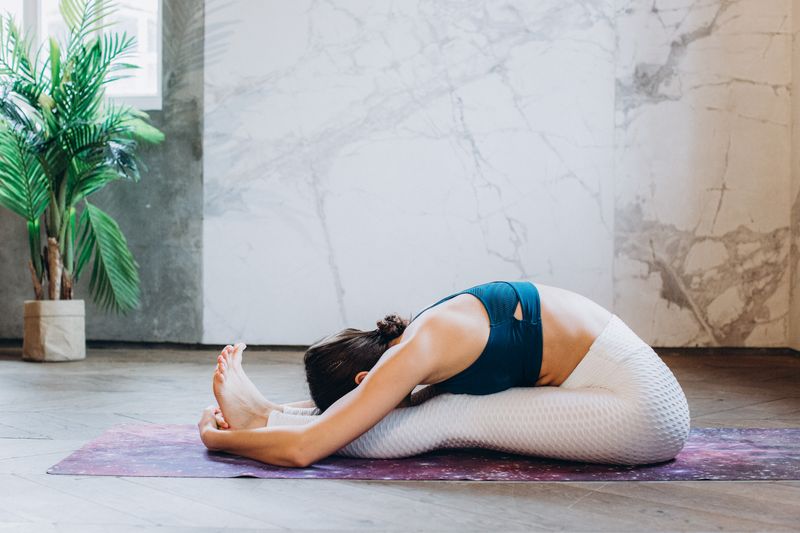
Heel pain stretching is the most basic and effective self-care method. Regularly stretching the plantar fascia and calf muscle groups can increase fascia flexibility and reduce morning pain.
Recommended stretching exercises:
- Towel Stretch — Sit on the floor with legs extended, loop a towel around the ball of your foot, and gently pull towards your body. Hold for 15-30 seconds, repeat 3 sets of 10 times daily.
- Calf Wall Stretch — Face a wall, place hands on the wall, step one foot back significantly, keeping the heel on the ground, and bend the front knee. Hold for 30 seconds, repeat 3 times.
- Stair Stretch — Stand with the ball of your foot on the edge of a stair, allowing your heel to slowly drop down. Hold for 15-20 seconds.
Real User Testimonial: Mr. Chan (55, office clerk in Kowloon Bay) shared: "I suffered from heel pain for half a year; getting up every morning was torture. After consistently doing heel pain stretching exercises daily for two weeks, the morning pain when I first stepped down was already much better, and after a month, it was basically gone."
Method Two: Acupressure for Heel Pain Relief
Traditional Chinese Medicine acupressure is a gentle and effective complementary method for foot pain relief. The following acupoints for heel pain are worth trying:
- Yongquan (Kidney 1): Located in the depression at the anterior third of the sole of the foot. Pressing it can promote blood circulation in the foot and relieve sole pain.
- Taixi (Kidney 3): Located in the depression between the medial malleolus and the Achilles tendon. It primarily treats heel pain and other heel disorders.
- Kunlun (Bladder 60): Located between the lateral malleolus and the Achilles tendon, it provides good relief for pain on the side of the heel.
- Chengshan (Bladder 57): Located in the middle of the posterior calf. Pressing it can relieve calf tightness, indirectly alleviating pressure on the sole.
Acupressure method: Use your thumb to apply moderate pressure to each acupoint for 1-2 minutes, 2-3 times a day.
Method Three: Choose Appropriate Shoes and Insoles
- Choose shoes with arch support, avoid completely flat shoes.
- Heel height of 2-3 cm is ideal.
- Ample toe box space to allow toes to move freely and reduce ball of foot pain.
- Consider using custom orthotic insoles

Method Four: Promote Lower Limb Blood Circulation
Improving blood circulation is a crucial step in accelerating foot pain recovery. Good blood circulation delivers nutrients and oxygen to damaged tissues, speeding up the healing process.
- Warm foot soak: Soak feet in 38-42°C warm water for 15-20 minutes every evening.
- Foot massage: Massage from toes towards the heel to promote venous return.
- Ankle rotations: Rotate clockwise and counter-clockwise 20 times each.
- Leg elevation: Elevate legs for 15-20 minutes before sleep.
For individuals with weaker blood circulation, especially the elderly, diabetics, and office workers who sit for long periods, professional foot circulation promotion devices can be considered. DR-HO'S Circulation Promoter PRO utilizes Dr. Michael Ho's patented AMP technology, combining TENS (Transcutaneous Electrical Nerve Stimulation), EMS (Electrical Muscle Stimulation), and NMES (Neuromuscular Electrical Stimulation) triple therapy. It stimulates acupoints on the sole and deep calf muscles with gentle electrical currents, helping to promote lower limb blood circulation and providing advanced auxiliary support for foot pain relief. Compared to the entry-level DR-HO'S Circulation Promoter, the PRO version additionally features dual independent output ports (allowing simultaneous treatment of two areas) and 6 treatment modes, providing comprehensive care from the feet to the lower back.

AMP Patented Technology | 6 Treatment Modes | Dual Independent Ports | From Feet to Lower Back
Method Five: Ice Packs and Anti-inflammatory Treatment
- Apply an ice pack to the painful area for 15-20 minutes each time, 3-4 times a day.
- Use a frozen water bottle to roll back and forth on the sole of the foot, achieving both icing and massage effects.
- If necessary, use over-the-counter anti-inflammatory medications under a doctor's guidance.
Special Treatment for Mid-Sole Pain
Mid-sole pain is often closely related to arch problems and requires targeted treatment.
- Use orthotic insoles with arch support.
- Perform arch-strengthening exercises, such as picking up marbles with your toes.
- Avoid walking barefoot on hard surfaces for extended periods.
- Maintain a healthy weight.
When to Seek Medical Attention? Warning Signs for Heel Pain
- Pain persists for more than two weeks without improvement.
- Heel or foot shows obvious swelling, redness, or heat.
- Pain is severe enough to prevent normal walking.
- Foot experiences numbness or tingling sensation.
- Have diabetes or other chronic illnesses.
- Experience acute, severe pain after an injury.

Daily Habits for Preventing Heel Pain and Sole Pain
Prevention is better than cure. Adopting the following habits can significantly reduce the risk of heel pain and sole pain.
Regarding Exercise
- Warm up thoroughly before exercise, especially stretching calves and feet.
- Gradually increase exercise intensity and duration.
- Choose professional sports shoes suitable for your type of activity.
Regarding Lifestyle
- Avoid prolonged standing; move around every 45 minutes.
- Maintain a healthy weight to reduce foot burden.
- Soak and massage feet every night to promote blood circulation.
Real User Testimonial: Mrs. Li (62, retired teacher) shared: "After retirement, I often hiked, and for a period, my sole pain was so bad I didn't dare to walk. Later, I developed a daily habit of soaking my feet and stretching, and used DRHO's Circulation Promoter to help improve blood circulation. Now, hiking is no problem, and my feet feel much lighter."
🏆 Editor's Pick: Auxiliary Solutions for Heel Pain + Poor Foot Circulation
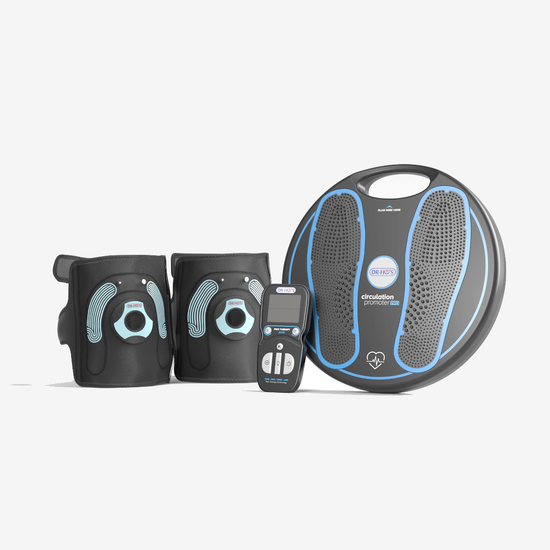
DR-HO'S Circulation Promoter PRO
Dr. Michael Ho's patented AMP technology, combining TENS / EMS / NMES triple electrotherapy, specifically targets stubborn foot numbness, swelling, and deep muscle strain. One device provides care from the feet up to the lower back, an advanced home auxiliary solution for heel pain + plantar fasciitis.
- ✅ Dual independent output ports, can treat left and right feet or feet + calves simultaneously
- ✅ 6 treatment modes, targeting different pain depths
- ✅ 20/30/40 minute auto-shutoff, safe for elderly use
- ✅ Non-invasive, drug-free, suitable for long-term use
Other Related DRHO Products
- DR-HO'S Circulation Promoter — Entry-level EMS+TENS technology, for first-time electrotherapy users with limited budget.
- DR-HO'S MotionCiser — Passive exercise design, improves lower limb blood circulation.
- DR-HO'S Pain Therapy System — Full-body TENS pain relief solution.
- DR-HO'S Triple Action Back Belt — Advanced choice for those also suffering from back pain.
Further reading: What to do for Back Pain? 7 Major Causes and Relief Methods for Back Ache [2026 Complete Guide]
Frequently Asked Questions (FAQ)
Q1: How long does heel pain take to heal?
The recovery time for heel pain varies depending on the cause and severity. Mild plantar fasciitis, with consistent stretching and care, usually shows significant improvement within 4-6 weeks. More severe cases may require 3-6 months.
Q2: Can I run with sole pain?
It is recommended to stop running during acute pain and switch to low-impact exercises like swimming or cycling. Once the pain significantly subsides, you can gradually resume running.
Q3: Which acupoint is most effective for heel pain?
The most recommended acupoints are Taixi (Kidney 3) (between the medial malleolus and Achilles tendon) and Kunlun (Bladder 60) (between the lateral malleolus and Achilles tendon). These two acupoints for heel pain can directly relieve heel discomfort. Yongquan (Kidney 1) helps promote overall foot blood circulation.
Q4: What causes mid-sole pain?
Mid-sole pain is most commonly caused by arch problems, including flat feet or high arches. Additionally, damage to the middle of the plantar fascia and posterior tibial tendon dysfunction can also lead to mid-sole pain.
Q5: Can poor blood circulation cause foot pain?
Yes. Poor blood circulation is an easily overlooked cause of foot pain. When blood circulation in the lower limbs is poor, foot tissues lack sufficient nutrients and oxygen, reducing their ability to repair. It can also lead to symptoms such as cold feet, numbness, and frequent cramps.
Q6: Are the causes of ball of foot pain and heel pain the same?
Not entirely. Heel pain is most commonly caused by plantar fasciitis and heel spurs, while ball of foot pain is more often associated with metatarsalgia, Morton's neuroma, and sesamoiditis.
Q7: What to do for heel pain during pregnancy?
Heel pain is very common during pregnancy due to increased weight and hormonal changes. It is recommended to choose low-heeled shoes with good arch support, perform gentle heel pain stretching exercises, and avoid prolonged standing.
Q8: Can electrotherapy devices really help relieve heel pain?
Clinical studies show that TENS (Transcutaneous Electrical Nerve Stimulation) and EMS (Electrical Muscle Stimulation) have auxiliary effects in relieving chronic foot pain and improving lower limb blood circulation (Source: Journal of Physical Therapy Science, 2022). Devices like DR-HO'S Circulation Promoter PRO (CPP) combine patented AMP technology with triple electrotherapy (TENS/EMS/NMES). By stimulating acupoints on the sole and calf muscles with gentle electrical currents, it can serve as an advanced auxiliary support in addition to self-care like stretching and icing. Note: Electrotherapy devices are not medical devices and cannot replace professional medical treatment. Severe cases should still seek medical attention.
Q9: What is the difference between CPP Circulation Promoter PRO and the basic version of Circulation Promoter?
The entry-level DR-HO'S Circulation Promoter offers basic EMS+TENS technology, suitable for first-time users exploring electrotherapy for health. The PRO version (CPP) upgrades to AMP patented technology + TENS/EMS/NMES triple therapy, and includes dual independent output ports (allowing simultaneous treatment of two areas) and 6 treatment modes, covering multi-site pain from the feet to the lower back. If you suffer from chronic heel pain, plantar fasciitis, or multi-site pain simultaneously, the PRO version is a more comprehensive choice.
Q10: What precautions should be taken when using electrotherapy devices?
DR-HO'S electrotherapy devices are home-use health care equipment and can be purchased without a doctor's prescription. However, the following individuals should consult a doctor before use: pacemaker users, pregnant women, patients with severe heart disease, individuals with skin lesions or infections, and late-stage diabetic patients with complications. When using, avoid placing electrode pads on the front of the neck, temples, or over the heart area on the chest.
Summary: Action Plan to Bid Farewell to Heel Pain
- Identify the location of your sole pain and refer to the diagram above for an initial understanding of possible causes.
- Perform heel pain stretching exercises daily.
- Apply pressure to heel pain acupoints (Taixi, Kunlun, Yongquan).
- Improve foot blood circulation.
- Check your shoes to ensure adequate arch support and cushioning.
- If pain persists for more than two weeks, seek medical attention promptly.
Foot health is the cornerstone of freedom of movement. By recognizing the signals of heel pain and sole pain early, implementing correct solutions for heel pain, and utilizing appropriate auxiliary tools, you can regain easy and confident steps.
Ready to relieve your heel pain?
DR-HO'S Circulation Promoter PRO (CPP)
—— One device to care for you from your feet to your lower back, a home auxiliary choice for Hong Kong users
AMP Patented Technology | 6 Treatment Modes | Dual Independent Ports | Non-Drug Auxiliary Solution
Author: DRHO Health Team
The DRHO Health Team consists of physical therapy consultants, sports science experts, and health technology developers, dedicated to providing professional, reliable health information and innovative pain management solutions for Hong Kong people.
Disclaimer: The content of this article is for health education and reference purposes only and does not constitute medical diagnosis or treatment advice. Each individual's physical condition is different; if you have persistent or severe foot pain, please consult a qualified healthcare professional. The products mentioned in this article are auxiliary health devices and are not medical devices; they cannot replace professional medical treatment.
Last updated: April 2026